Strategic Applications
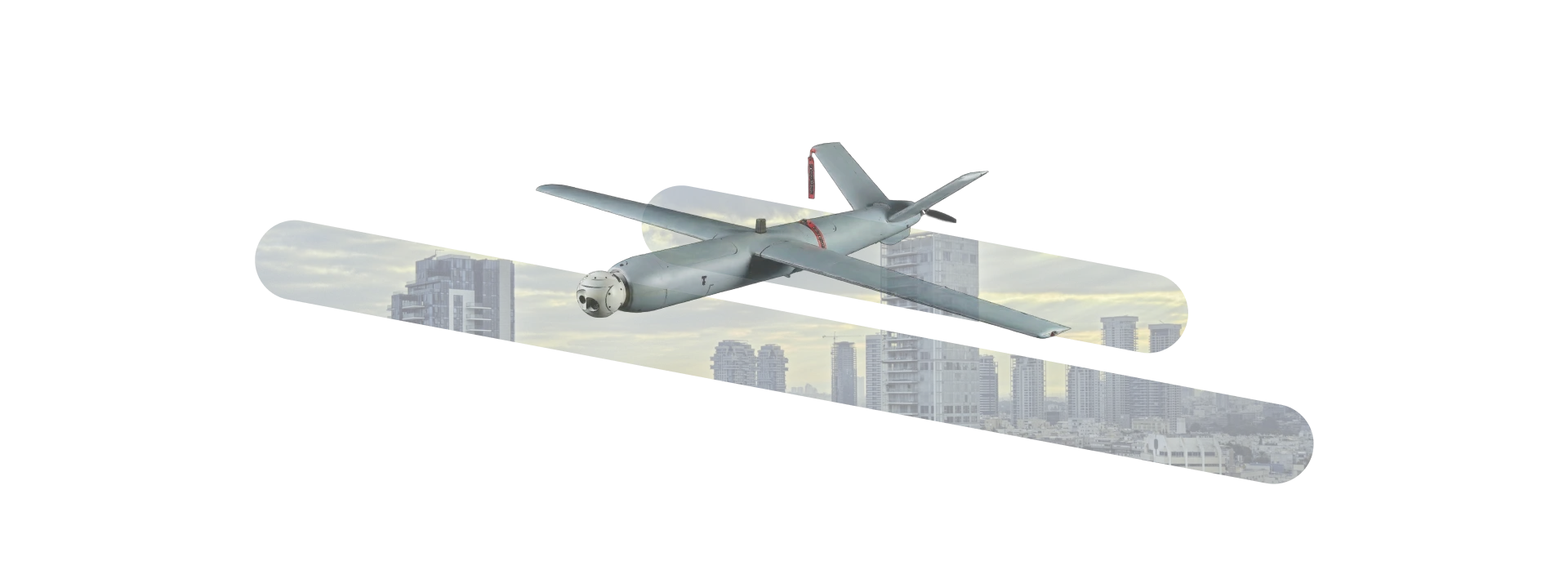
The KAI system leverages embedded computer vision to provide absolute localization in GNSS-denied environments and real-time target tracking, enabling tactical platforms to execute complex missions with high autonomy and precision.
Loitering Munition
Terminal guidance is optimized through advanced vision-based target lock, secure arming logic, and autonomous flight profiles recorded in the mission system. Final maneuvers include specialized dive profiles to ensure payload impact and eliminate potential navigation drift during terminal phases.
Counter UAS
Tactical engagement is optimized through lead-pursuit calculation, including radar-slaved guidance and high-G intercept logic, ensuring the identification of agile threats. Final maneuvers include AI-driven signature tracking to ensure precise collision and eliminate potential escape during high-speed engagement.
Industrial
Industrial versatility is enhanced through the miniaturized form factor and embedded computer vision, enabling high-autonomy performance across a variety of complex commercial applications. Final profiles include GNSS-denied localization to ensure mission safety and eliminate potential signal loss during critical tasks.
Compact & Lightweight
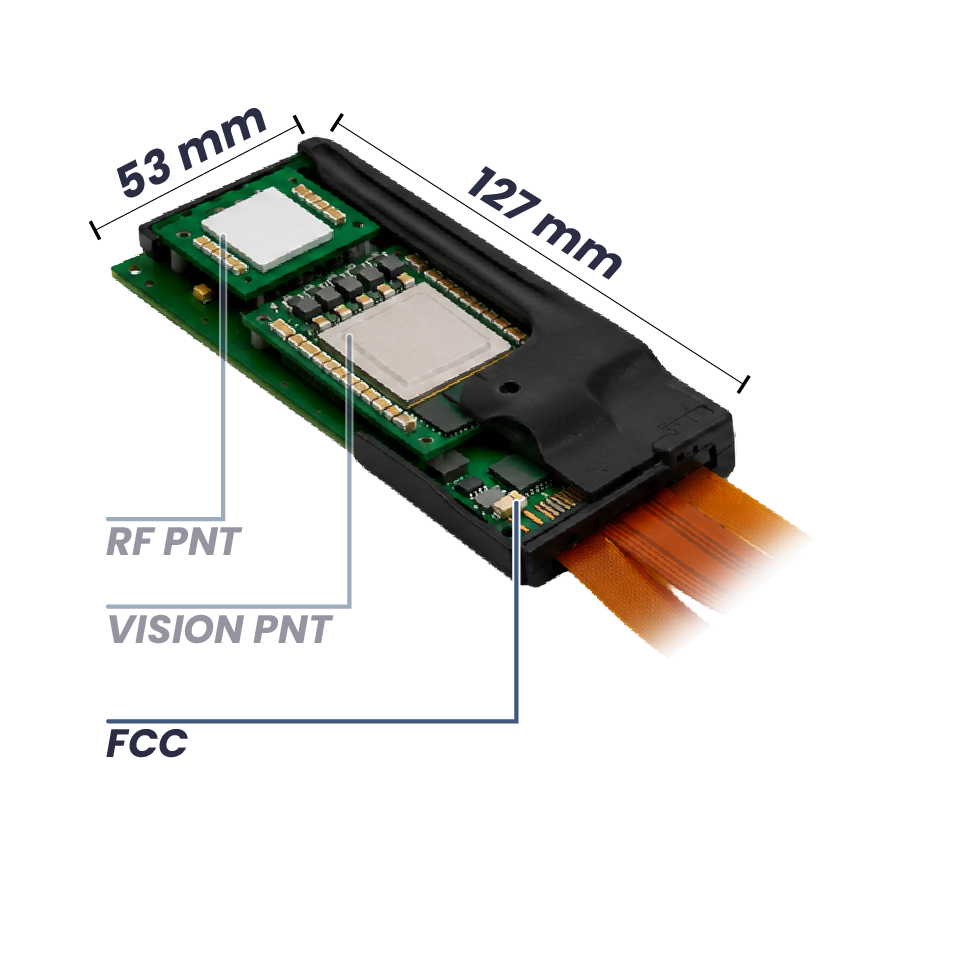
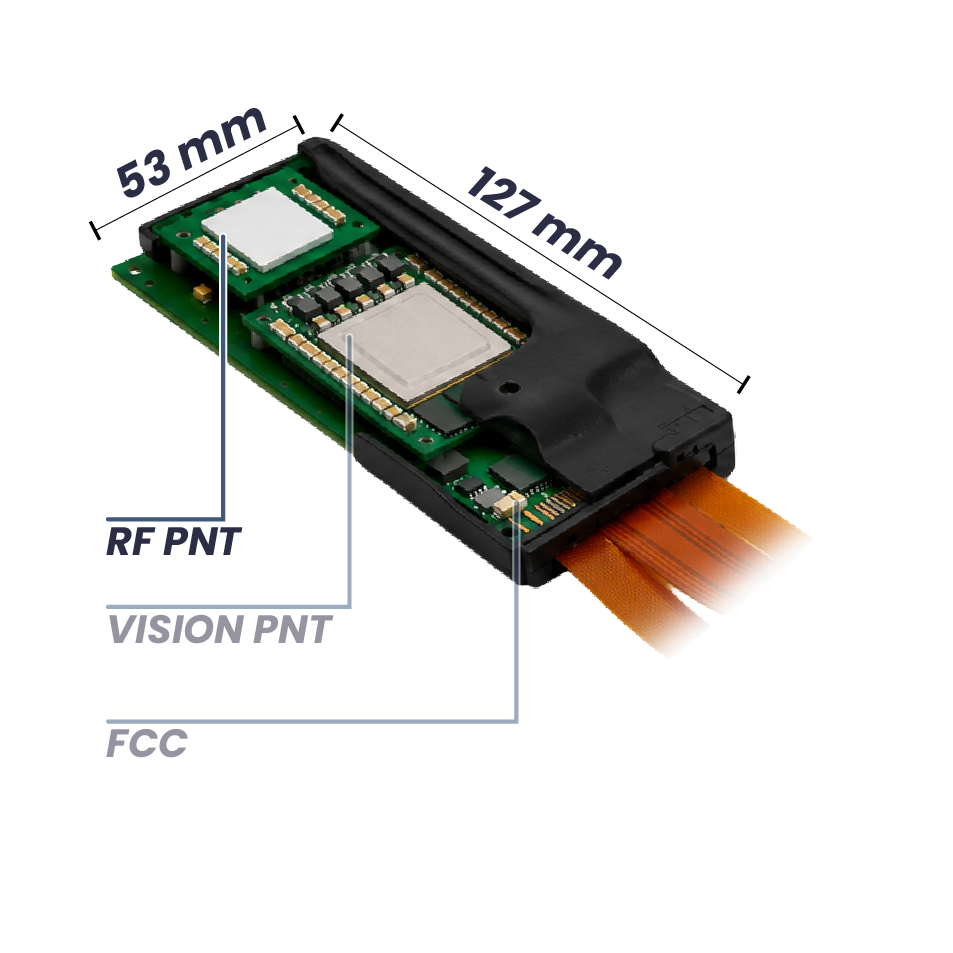
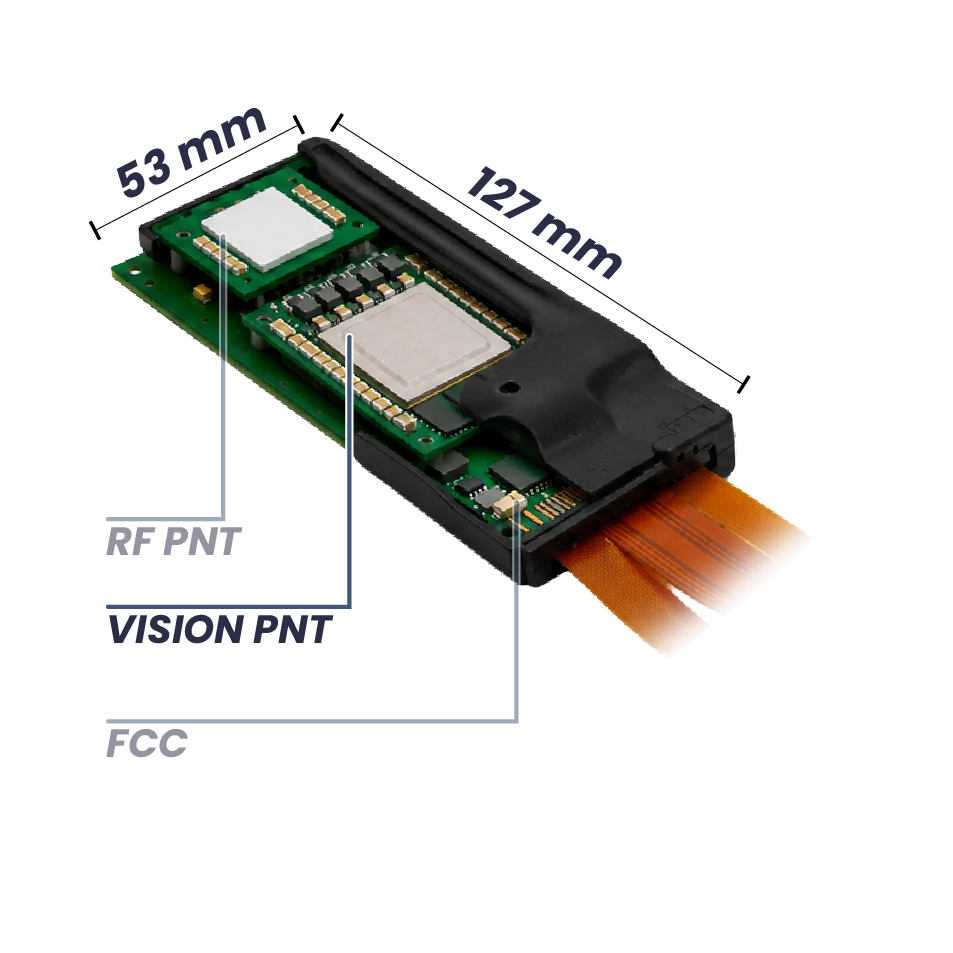
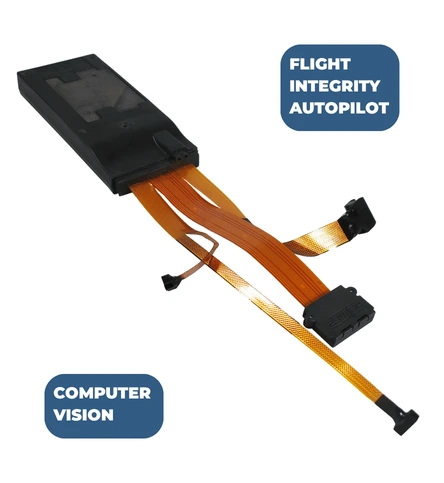
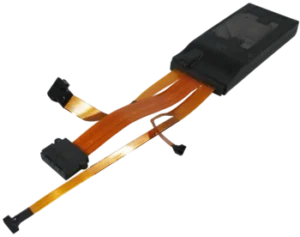
The miniaturized design of Veronte Autopilot KAI concentrates all flight control and AI functions into a lightweight 190 g unit, also available in OEM format for further weight reduction. It features advanced sensors, IMU, GNSS, and barometer, integrated in the core hardware. High-performance functions such as neural edge computing and vision-based positioning are fully embedded within the system.
Computer Vision & Advanced Sensors
High-performance functions such as AI computing and vision-based positioning remain fully embedded. The system manages real-time computer vision, inertial navigation, 4G/LTE positioning, and barometer data through advanced sensor fusion algorithms. External sensors such as radar altimeters, FOG IMUs, and diverse positioning sources can be easily integrated into the data fusion.


 Embedded AI
 Computer Vision
 Target Tracking
 GNSS-Denied Navigation
 Cloud Connectivity