
1x
SAIL I-IV | Fail-Safe
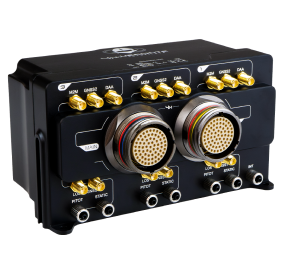
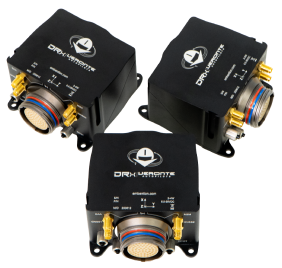
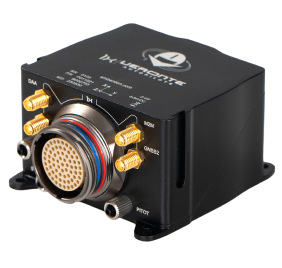
More info Veronte Autopilot supports flexible integration across diverse fixed-wing UAV designs. Its modular control system ensures reliable performance and mission adaptability. Built on certifiable software and hardware, it's trusted in both commercial and defense applications.
Standard high or low wing aircraft with traditional control surfaces.
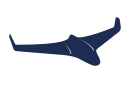
Wing-only aircraft that require elevon control and advanced stability algorithms.
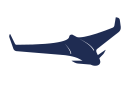
Aircraft with forward-mounted control surfaces, requiring specific control logic.
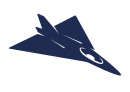
High-speed platforms that benefit from blended control surface and stall margin optimization
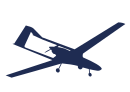
Airframes with split empennage layouts, often used in ISR or heavy payload designs
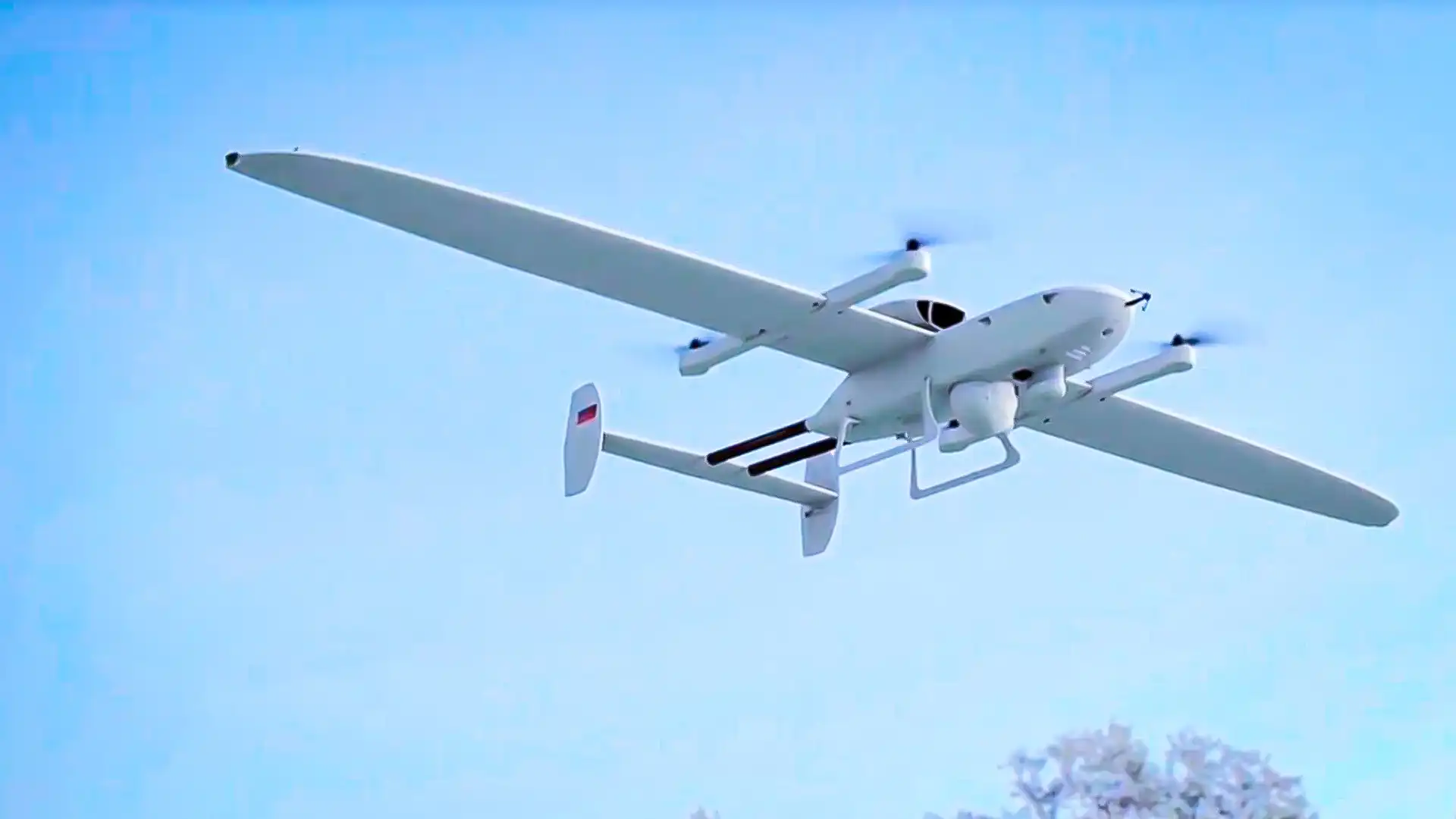
Veronte Autopilot supports multiple automated takeoff methods, including runway departure, catapult launch, hand-launch, and vehicle-top deployment. Each takeoff mode is governed by user-defined logic blocks and flight phase transitions, ensuring smooth, safe, and repeatable execution.
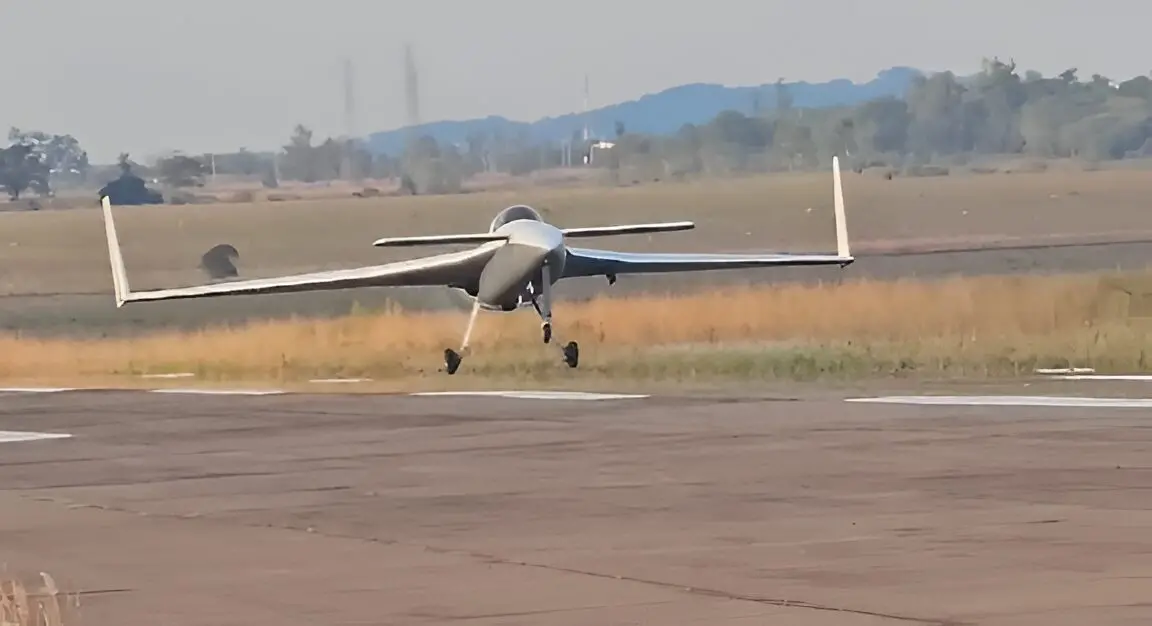
Veronte Autopilots is compatible with differents options like precision runway landings, belly landings, parachute recovery systems, and net capture. Veronte enables autonomous landing sequences using a combination of GPS, barometric, and optional visual navigation or relative positioning aids.
Veronte supports any aerodynamic layout with advanced control surfaces and stability logic. Features include trim compensation, stall protection, and coordinated turns. Full integration with flaps, slats, and morphing wings is available.
Veronte equips fixed-wing platforms for high-autonomy missions in both civil and tactical environments. It supports:
Veronte Autopilot protects fixed-wing operations with integrated health monitoring and redundancy. Configurable emergency routines include return-to-home, loiter, or parachute deployment. Designed in compliance with DO-178C, DO-254, DO-160 standards for aircraft certification.