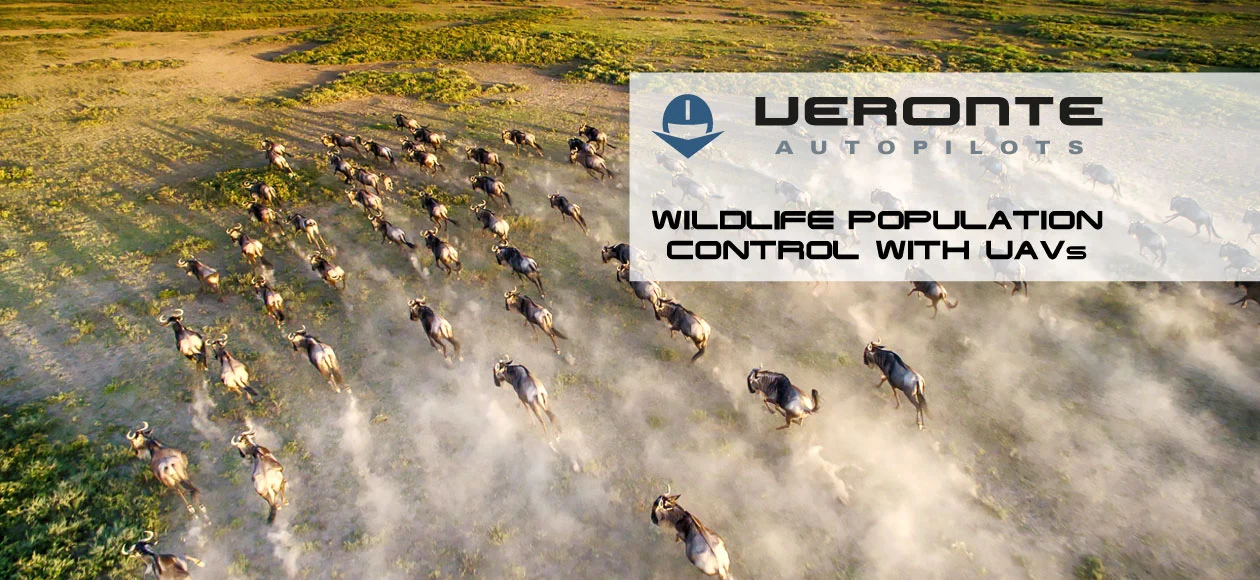
The use of UAVs is becoming more common in every kind of field, either commercial, industrial, civil, or military. Specifically, the possibilities that drones provide for wildlife monitoring in their own habitat are outstanding, providing new camera angles, new tools such as thermal cameras, and new modes to approach animals—all that in a non-invasive way.
Drones greatly reduce field efforts. Sometimes, wildlife to be examined is in steep and difficult-access areas, so it becomes easier to identify and obtain images of animals considered with the help of UAVs. It also greatly decreases the manual work required with animals since fewer resources are needed to count the wildlife population, as well as greatly reducing the need for moving personnel. All this results in saving time and costs.
Cases where UAVs are already being used with the wildlife
Currently, drones are already being used in different activities related to wildlife:
- Nowadays, Queensland University of Technology manages with UAVs the population of koalas in Queensland and New South Wales, as we can see in the previous video.
- Rangers in the Pyrenees monitor with drones the population of mountain goats, checking their numbers and other factors such as illnesses they may have.
- In Tanzania, great efforts are performed in order to keep elephants safe. UAVs help to “shepherd” elephants to keep them far from urban areas, private crops, and other dangerous situations.
- To count the population of gray seals in New England, photographing the colonies of these animals with UAVs. In the past this species was decimate due to hunting, but currently there is a problem of overpopulation affecting fishermen in the area.
- In South Africa, drones are a great support for rangers when dissuading poachers and smugglers of ivory, which has resulted in the reduction of this activity in the country.
Embention and the Tse-Tse Fly population management
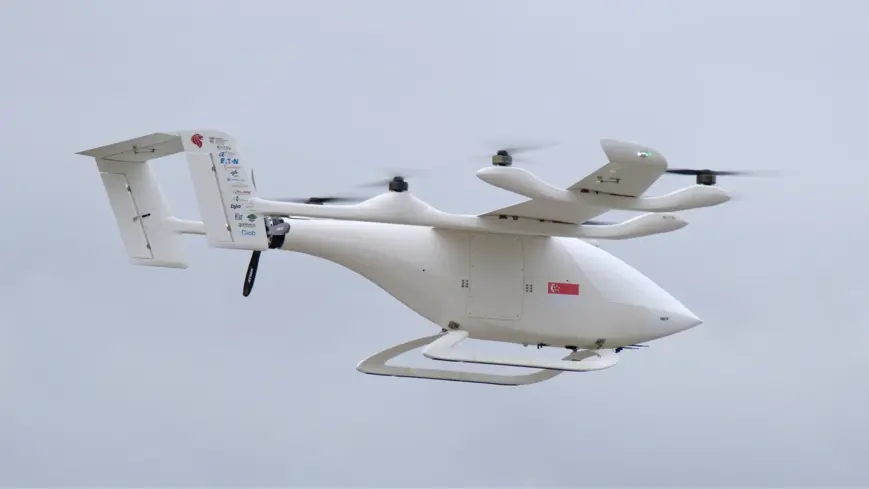
In the scientific field, UAVs can also help to avoid the propagation of illnesses through the control of wildlife. In Embention, we participate in this kind of project, such as the “Drones Against Tse-Tse” project. Embention has collaborated together with IAEA (International Atomic Energy Agency) in the development of an UAV that embeds Veronte Autopilot 1x for the control of wildlife, in this case insects, more specifically the tse-tse fly, creating protocols and techniques necessary to end the illness in the countries of this illness in Eastern Africa.
Tsetse flies control in Ethiopia with drones