

Embention Showcases Latest Defense Innovations at MSPO and UNVEX
Embention presents Veronte KAI upgrades, expands defense partnerships, and showcases autonomous flight avionics at MSPO Poland and UNVEX Spain.
October 2, 2026
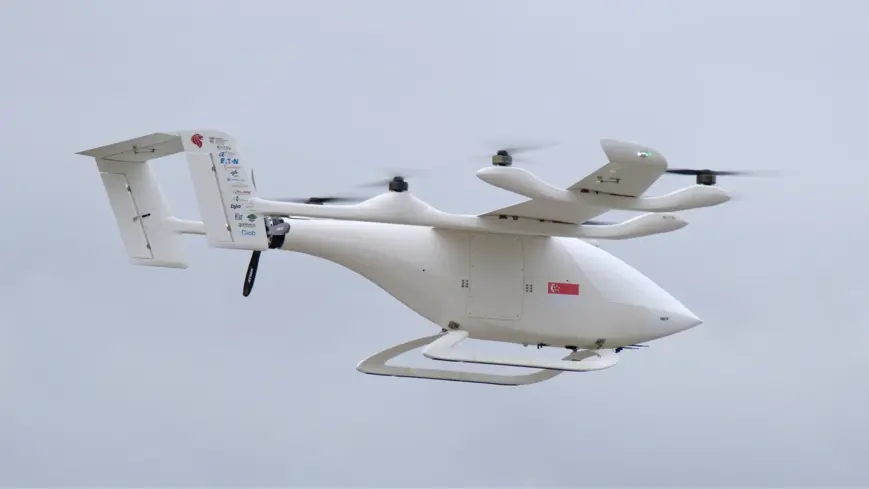
Urban air mobility (UAM) took a concrete step in July 2026. An electric vertical take-off and landing (eVTOL) aircraft designed, engineered and built in Singapore completed its first phase of flight tests in Cochstedt, Germany. It is the first eVTOL developed in Singapore to complete flight tests.
The aircraft is the work of Nanyang Technological University (NTU) Singapore. A team of more than 20 students and alumni built it under Professor James Wang, director of NTU’s eVTOL aircraft research and innovation centre. According to The Straits Times, two prototypes with 3 m and 8 m wingspans flew over two and a half weeks at a test area of the German Aerospace Centre. Professor Wang called the tests successful.
Professor Wang told the media that eVTOL aircraft take eight to 10 years to enter commercial operation in Singapore, similar to commercial jets. That points to around 2035. His team plans to scale the design to different sizes, including a 14 m variant to carry five people.
The programme already has the backing of the Singapore government. We want to thank NTU, Professor Wang and the students and alumni behind the project. Their talent is what turns a research idea into an aircraft that flies.
We expect urban air mobility to become part of everyday life for everyone. Projects like this one are where that future is built.
AAM raises the safety bar. The flight control system has to keep the aircraft under control even when a component fails. That requirement shapes the design from the first day, through safety-critical architecture and redundancy.
This is the work we do at Embention. We develop safety-critical avionics and autonomous flight control systems with redundancy, which is a core part of our design approach.
Our aim is to make aircraft certification easier for manufacturers. We build our systems with certification in mind, so that integrators can move from demonstrator to certifiable aircraft with fewer obstacles. We believe in the future of UAM, and we keep working to make it safe.
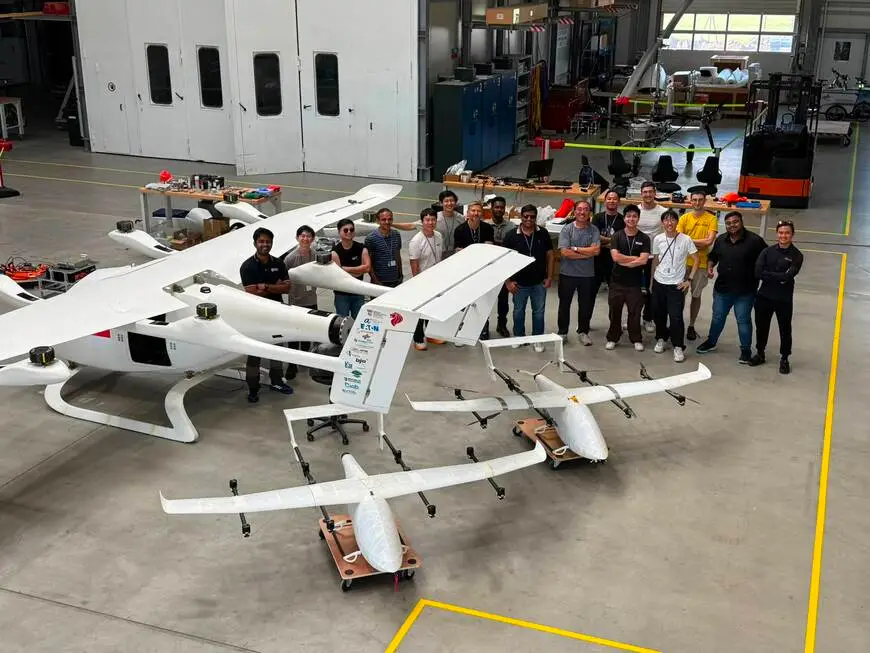
Pablo Ceacero, PDI Team Member at Embention, accompanied the NTU team through the development and flight testing of the aircraft.
This is what he shared:
“It has been an incredible experience to work as an engineer on the development and flight testing of Singapore’s first locally designed and built full-sized eVTOL.
Being part of a project like this, working alongside such talented engineers and seeing all the hours of integration, testing and problem-solving finally come together in flight, has been extremely rewarding.
A huge thank you to the Nanyang Technological University Singapore team for the collaboration and trust throughout the project.
And especially to Embention for giving me the opportunity to be part of this journey and contribute with our technology and expertise in autonomous flight and avionics.
Projects like this are exactly why I became an engineer. Looking forward to what comes next!“
We share Pablo’s view, and we look forward to what comes next in urban air mobility.

Receive news & updates
Embention presents Veronte KAI upgrades, expands defense partnerships, and showcases autonomous flight avionics at MSPO Poland and UNVEX Spain.
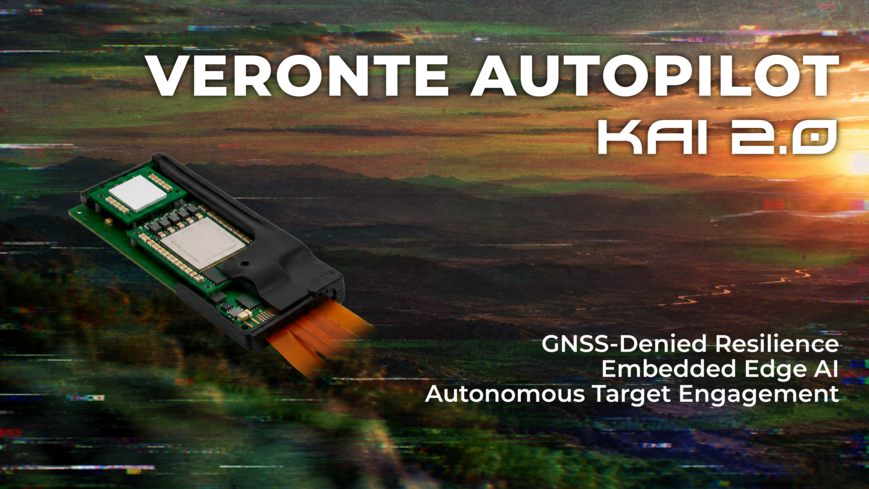
Discover Veronte KAI 2.2 with AI-based PNT, terminal guidance and scalable production for one-way drones in contested environments.

The iMEDCAP consortium proudly announces the successful completion of the live pilot demonstration of its autonomous tactical medical evacuation system at NATO’s Vigorous Warrior 2026 exercise.
