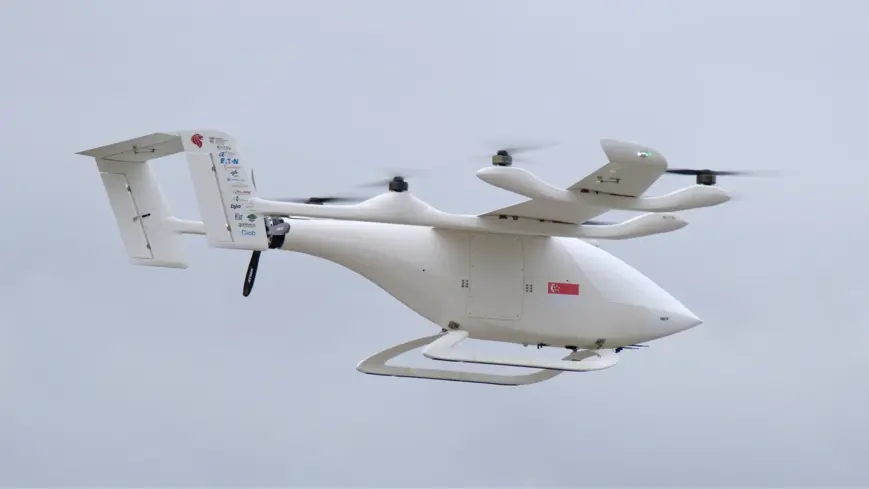
The development of “Sense & Avoid” technology is of great interest in the UAS sector. UAS that incorporate this kind of system are able to avoid static or moving obstacles during the flight, reducing the risk of collision and improving their reliability and safety. For this reason, the incorporation of modern devices into avionics systems permits the implementation and improvement of “Sense & Avoid” technology. This is the case of the integration of Delphi ESR radar with the Veronte Autopilot 1x System.
The best-known uses of radar systems for the integration of “Sense & Avoid” technology are related to the automotive industry. But these functionalities are being rapidly integrated into other systems, such as UAVs or USVs (Unmanned Surface Vehicles) that can benefit from its advantages. Specifically, Veronte Autopilot 1x system developers have made satisfactory tests with the integration of Delphi ESR radar and Veronte system under various conditions.
Features and advantages of radar Delphi ESR
For the development of Delphi ESR (Electronically Scanning Radar) the company Delphi has taken advantage of its more than 20 years of experience in the sector, obtaining this robust and reliable product. Delphi ESR simultaneously combines medium- and long-distance radar signals. Both with an update rate of 50 ms. The medium-range signal is up to 65 m at an angle of 45º and the long-range signal is up to 175 m at an angle of 10º
This combination permits the use of the radar for several purposes:
- Distance Information. Throughout all the operation, the system is informed of the distance to all objects in the environment so it can describe a safe route.
- Frontal Collision Warning. In case the UAS approaches dangerously to an object or another UAS during the mission, the system is warned of that danger to safely avoid it.
- Safe Go Home. Back home can be programmed without presetting a route. The system will automatically avoid obstacles while coming back in a straight-line flight.