

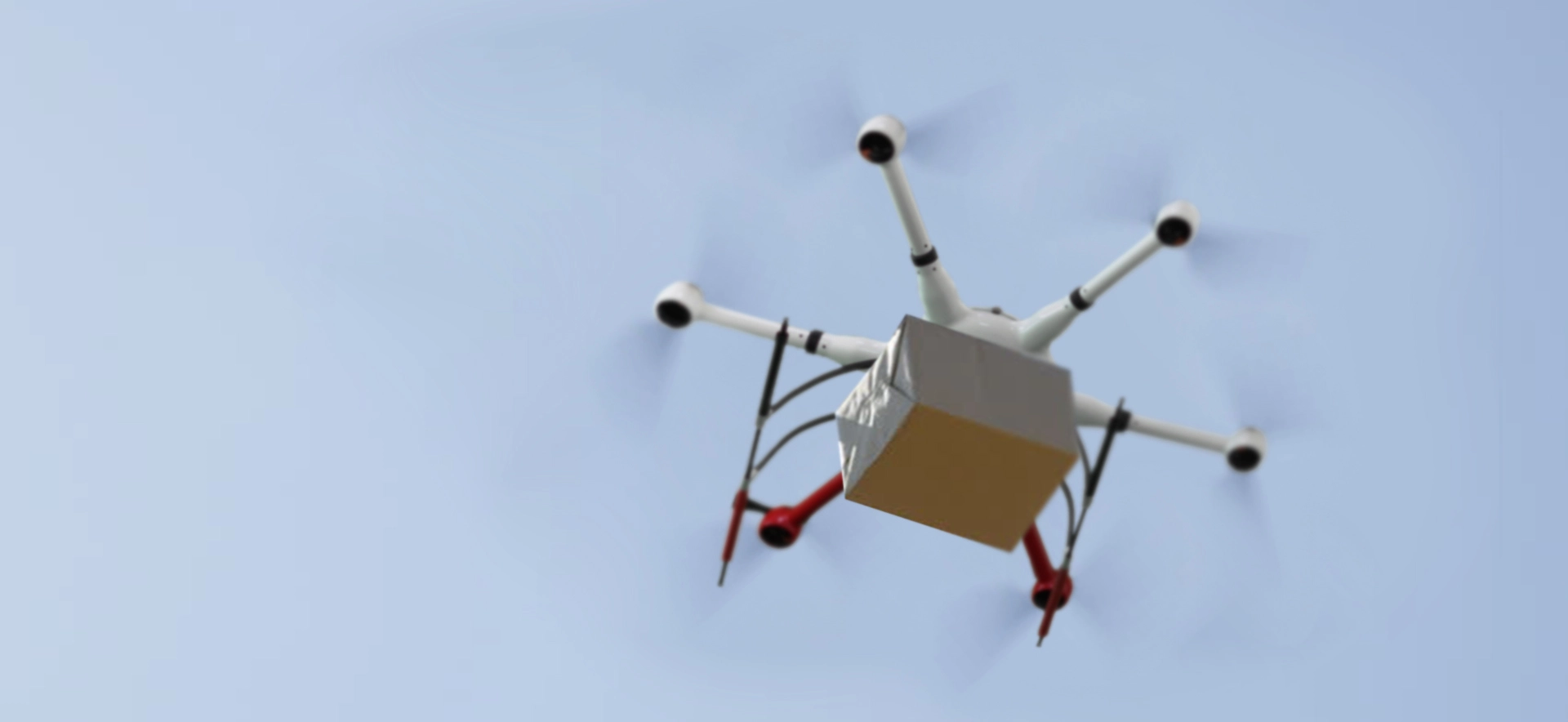
The development of artificial intelligence is highly relationed with the logistics industry, so it will soon become a representative model for delivery and distribution activities.

Stay ahead of the curve with the latest updates in drone and eVTOL technology. Discover industry trends, innovations and Embention’s milestones in autonomous vehicles.
Follow our blog to keep up with the latest news!
The development of artificial intelligence is highly relationed with the logistics industry, so it will soon become a representative model for delivery and distribution activities.
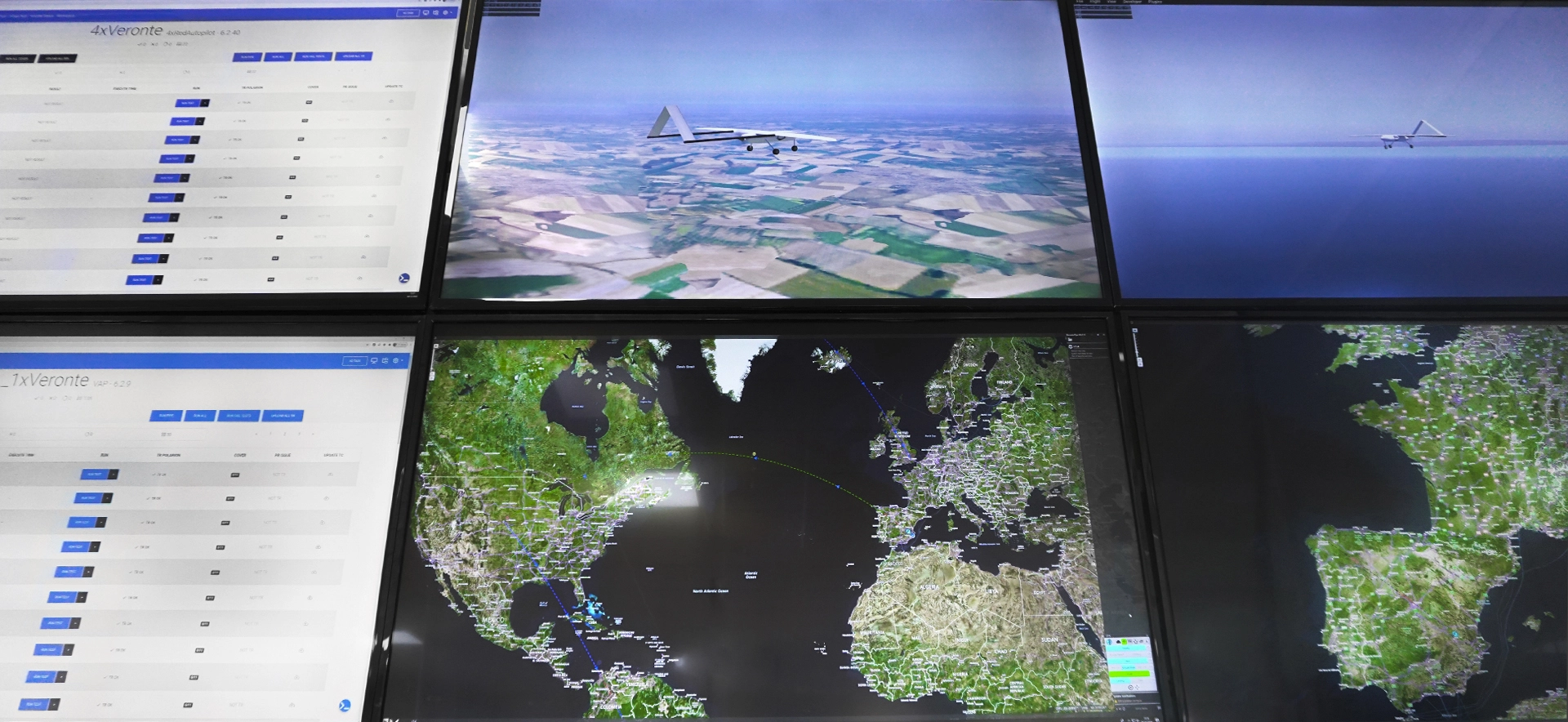
Each new software modification or sensor inclusion is subjected to a complete test process by the Verification department. The main goals are reproducibility and repeatability in all the tests, with a specific pass or fail criteria to ensure that autopilot works properly in every moment, and any change does not suppose a potential risk for the platform.
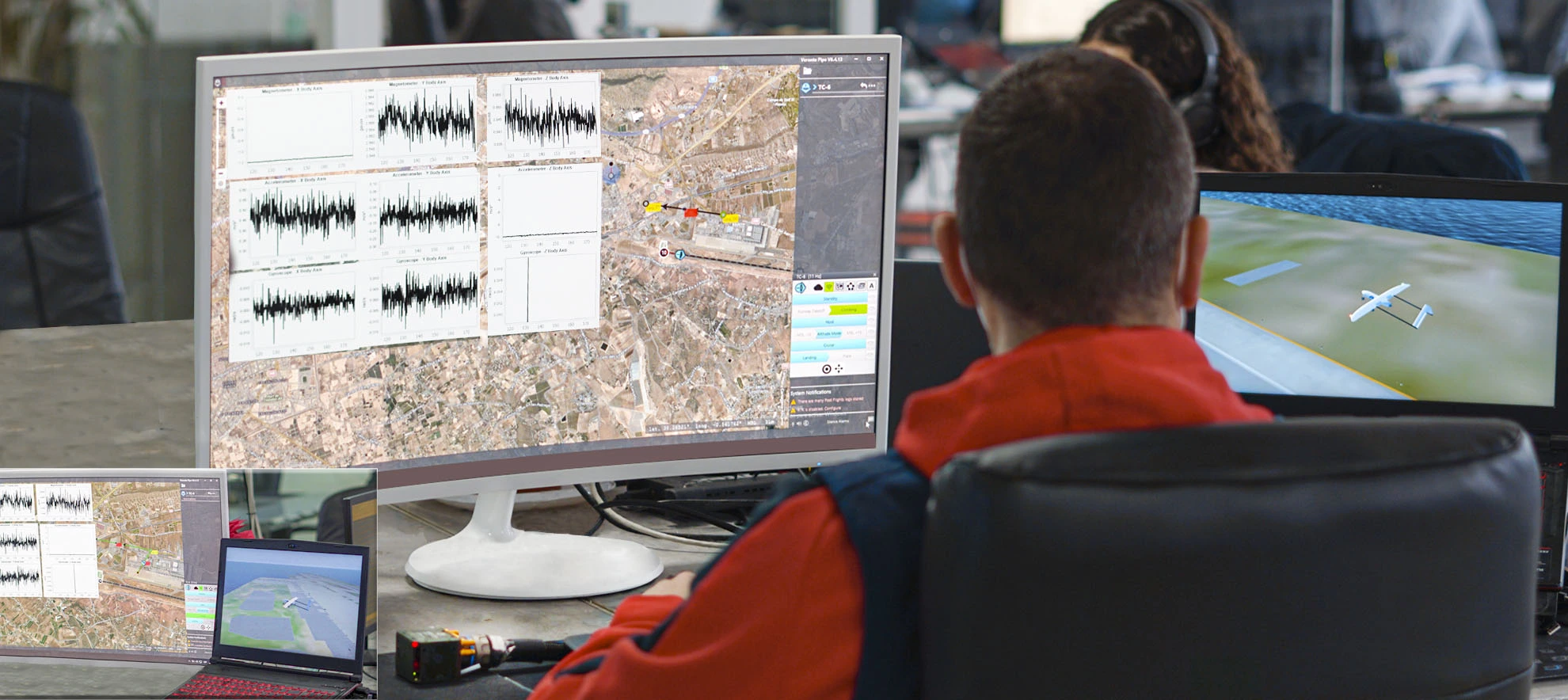
The UAV industry is growing very fast, the more time is passing the more drone manufacturers are emerging with new ideas, new vehicles and new developments. At the same time, the faster a company can have its UAVs ready to fly and to be used, the faster it will grow in this sector, for that reason at Embention we believe that offering good engineering support to our customers is crucial to help them to compete in this dynamic market.

When we think about the future we may imagine flying cars, food impressed, printed food, meetings with holograms, delivery with autonomous drones, and other not so crazy technologies.

Unmanned aerial vehicles (UAV) have wonderful advantages in emergency, search and rescue situations compared to other traditional methods such as the use of manned helicopters, like better maneuverability, or the fact that they can move easily over any terrain and significantly reduce the time response in emergencies.
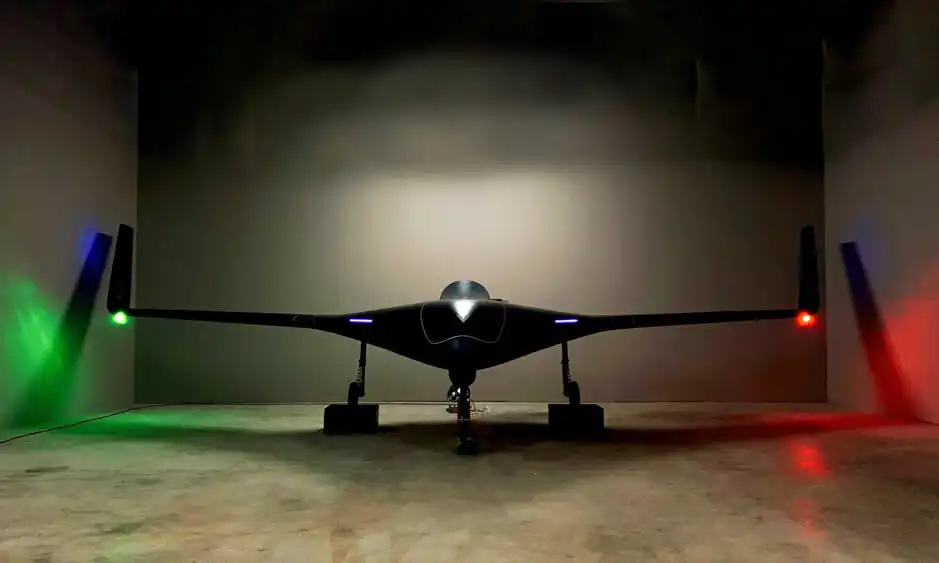
Last July, the European Commission approved the grant agreement for 9.7 million € of funding signed with the consortium of the LOTUS – Low Observable Tactical Unmanned System project, which is a new European Tactical UAV, specially designed for the effective border surveillance and reconnaissance of threats and high value targets.

One of the first things that a drone operator looking for a UAV to carry out a concrete mission would take into account when selecting the UAV components, would be the data link to be used, specifically, its quality, robustness and the radio range it is capable of reaching.
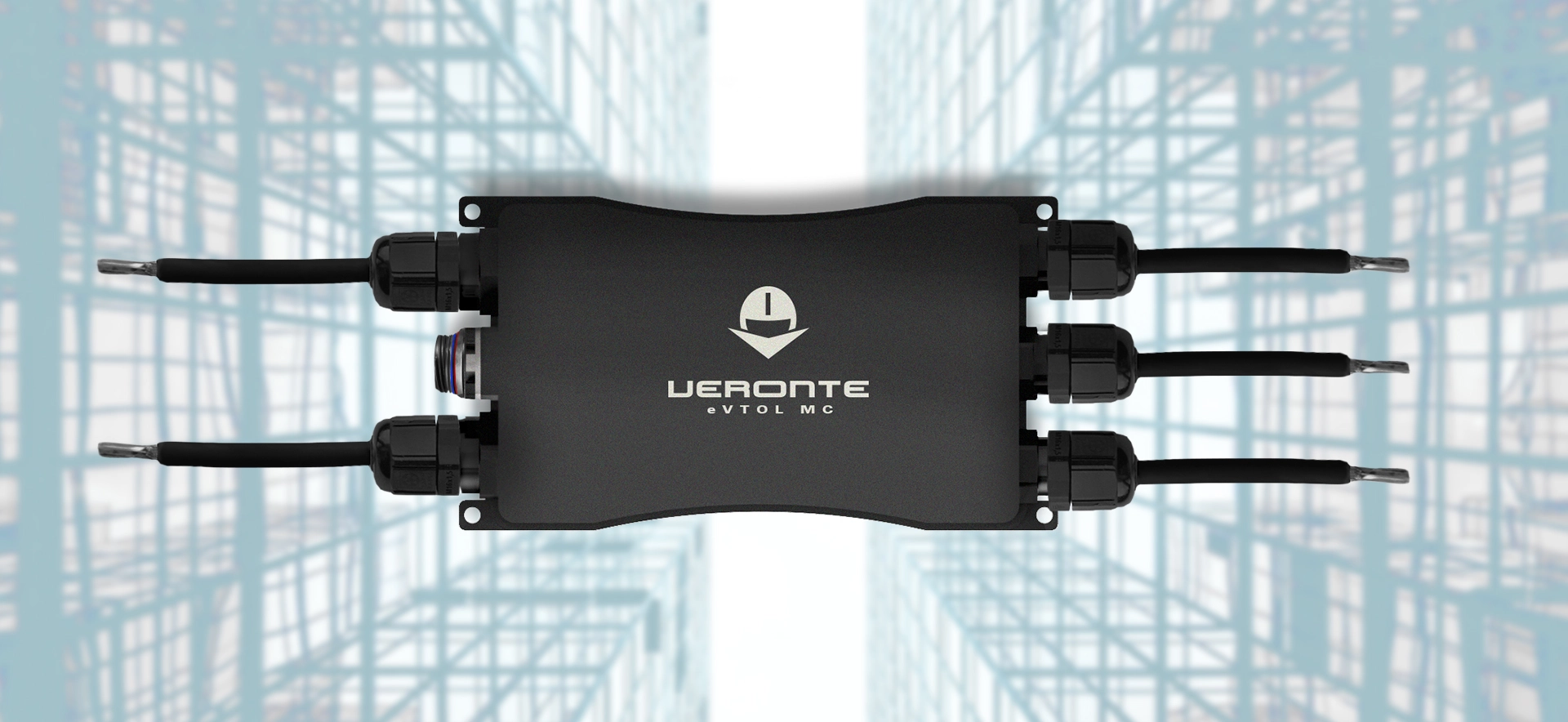
The use of electric motors in aviation is no longer restricted to light small unmanned aircraft drones. Electric motors allow better autonomous control due to their short response time in comparison with combustion engines used in larger aircraft (commercial aviation, etc.)
