Embention participated in the AUVSI show, celebrated in Washington during the 12-15 of August, to show Veronte Autopilot 1x, the next generation of ‘Plug ‘n Fly’ UAS/RRPAS Flight Control Systems & Autopilots. Incorporating some of the most innovative performances displayed at the show: Embedded RTK, stereo digital video, onboard image processing (see & avoid), DO-178B/C/EED-12; DO-254 & DO-160G qualification kit, adaptive control, configurable phases & channels, pursuit, path tracking…
The presentation of Veronte Autopilot 1x was accompanied by the products Veronte HGS and Veronte WGS, being both ground control stations. Veronte HGS is a high-performance ground control station embedded in a ruggedized case developed to control any Veronte system throughout the installed Veronte unit. It makes it possible to configure the system and monitor the mission from a portable station. AS for Veronte WGS, it is a control station based in a tablet that has been developed for high mobility applications, allowing to establish a communication link with the aircraft from any WIFI device.
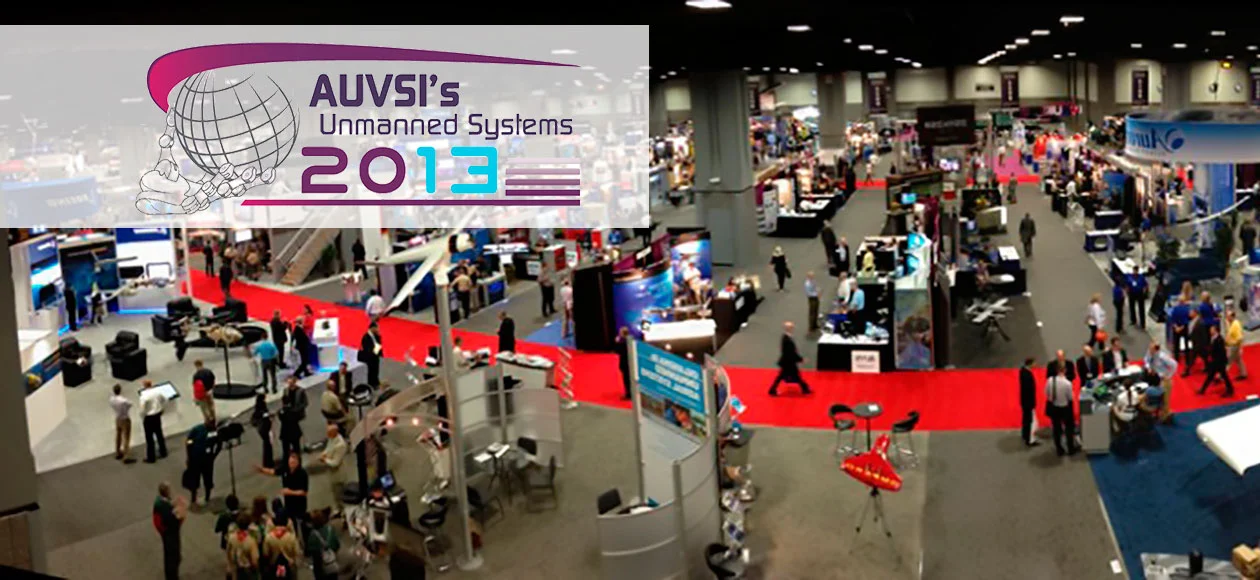
AUVSI Unmanned Systems 2013 Expo
The AUVSI show is one of the biggest unmanned vehicle shows in the world, where exhibitors from all over the globe show systems and components for unmanned aerial vehicles (UAVs), unmanned ground vehicles (UGVs), unmanned underwater vehicles (UUVs), and unmanned surface vehicles (USVs), as well as for the sensor, communications payloads, and control systems for existing and future unmanned vehicles.
A few of the topics covered in the AUVSI 2013 were:
- Navy UAS and Air Force UAS Perspectives and Program Updates.
- Army G-8 Perspectives on Resourcing, Equipping, and Programming for UAS.
- Where are we headed? A Look at Future UAS Trends, Technologies, and Challenges in the Next Decade.
- U.S. Marine Corps Unmanned Aviation Today and Tomorrow.
- The Impact of NextGen on UAS Integration Efforts.
- International UAS markets and emerging opportunities.