Avionics, short for “aviation electronics,” refers to the electronic systems that support flight control, communication, and navigation in aircraft, drones (UAVs), and electric vertical take-off and landing vehicles (eVTOLs). In the UAV and eVTOL industry, avionics ensure operational safety, efficiency, and reliability across both manned and unmanned platforms.
These systems are the backbone of modern aerial mobility, enabling autonomy, precise navigation, and advanced safety functionalities.
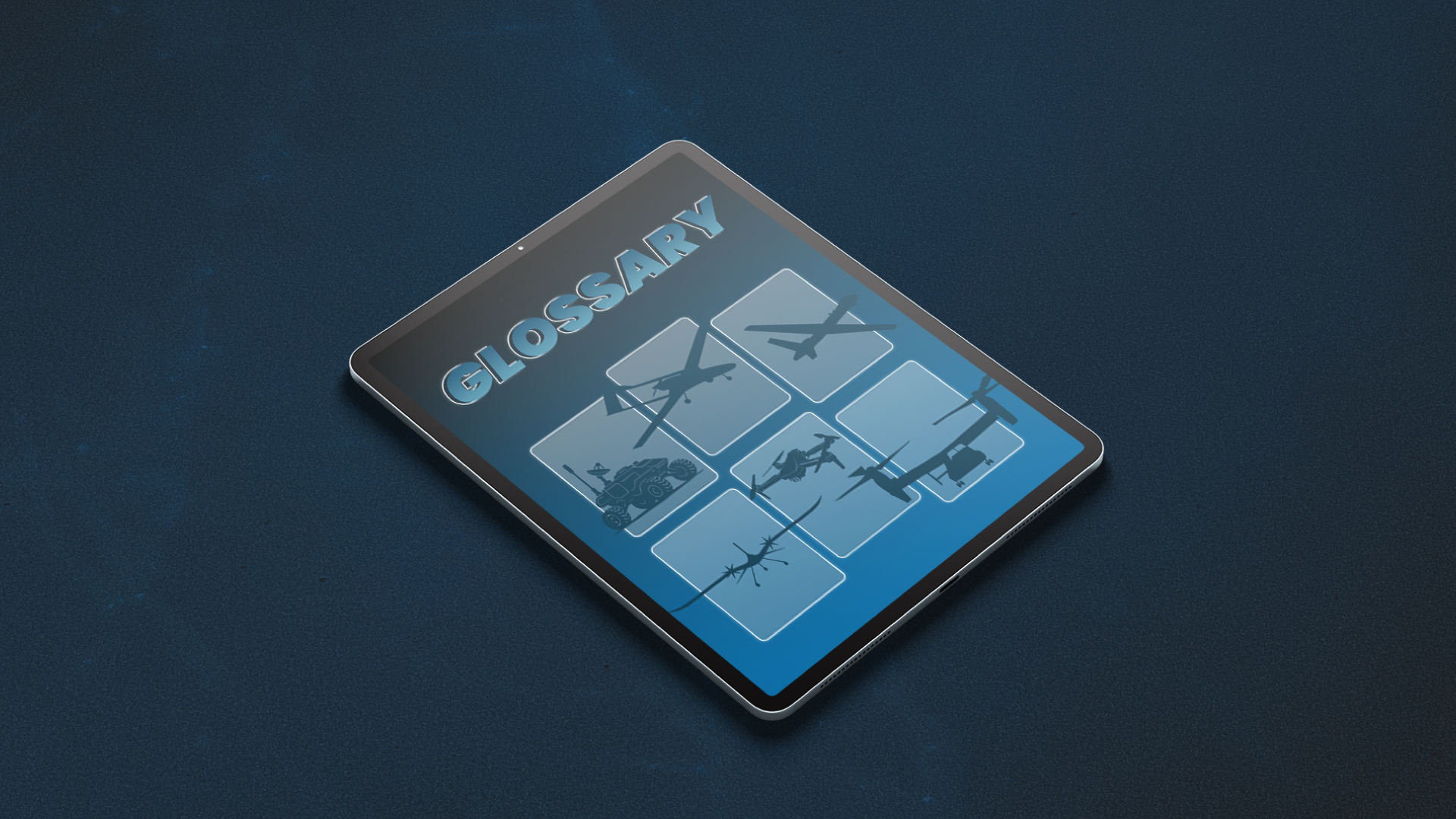
Types of aerial vehicles in modern avionics
The world of advanced aviation encompasses a wide variety of aerial vehicle types, each with unique capabilities, architectures, and avionics requirements. Understanding the distinctions between these categories helps clarify the operational and technological context in which avionics systems are designed and certified.
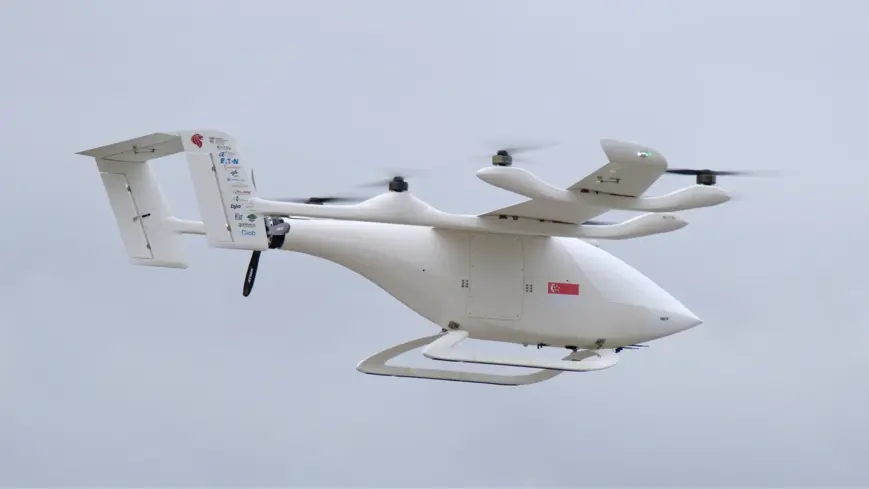
- Drone: a general term used to describe an aircraft with no human pilot, crew, or passengers on board, but rather is controlled remotely or is autonomous.
- eVTOL (Electric Vertical Take-Off and Landing): electrically powered aircraft designed for vertical takeoff and landing. eVTOLs are key to the future of urban air mobility, offering low-noise, zero-emission aerial transport. eVTOLs is mainly referred to vehicles that have people on board.
- RPAS (Remotely Piloted Aircraft System): a system that includes a Remotely Piloted Aircraft (RPA), its remote pilot station, data links, and any other components necessary for operation. Unlike fully autonomous UAVs, RPAS are always controlled by a human pilot from a distance.
- UAS (Unmanned Aircraft System): refers to the complete system that includes the UAV, the ground control stations and all avionics components.
- UAV (Unmanned Aerial Vehicle): an aircraft that operates without an onboard pilot. UAVs can be remotely controlled or fully autonomous.
- UGV (Unmanned Ground Vehicle): a robotic vehicle that operates on land without a human onboard, used in applications such as logistics, inspection, defense, and hazardous environment exploration.
- USV (Unmanned Surface Vehicle): an unmanned vehicle that operates on the surface of the water, typically used for maritime surveillance, environmental monitoring, and mapping missions.
- VTOL (Vertical Take-Off and Landing): describes any aircraft, manned or unmanned, capable of taking off, hovering, and landing vertically.
These classifications influence avionics design choices such as flight control architecture, redundancy strategies, and communication protocols. Each vehicle type demands specific avionics configurations to meet performance, endurance, and safety requirements.
Key avionics terms and their meaning
Below is a glossary of essential avionics terms commonly used in the UAV and eVTOL sectors:
Flight control systems
- Actuators: mechanical or electronic devices that convert control signals into physical movement, essential for controlling flight surfaces.
- Autopilot: core system responsible for automated flight control and mission execution based on programmed inputs.
- Battery Management System (BMS): monitors and controls battery performance, safety, and charging efficiency.
- CAN Bus (Controller Area Network): communication protocol that allows different electronic components in a UAV to exchange data reliably.
- Control: the continuous adjustment of actuators or control surfaces to maintain stability and ensure the aircraft follows the guidance commands.
- ESC (Electronic Speed Controller): device that regulates the speed and direction of electric motors in UAVs.
- FCS (Flight Control System): integrated avionics system that stabilizes and controls the aircraft by processing inputs from sensors, pilots, or autopilot algorithms.
- Fly-by-Wire (FBW): flight control system where pilot or autopilot commands are transmitted electronically rather than through mechanical linkages.
- FTS (Flight Termination System): safety mechanism designed to safely disable or terminate flight in case of malfunction or loss of control.
- GCS (Ground Control Station): the interface used by operators to monitor, control, and manage UAV or eVTOL missions.
- GNC (Guidance, Navigation, and Control): a core avionics system that determines the vehicle’s position, calculates its desired path, and executes commands to maintain stability and follow the planned trajectory.
- GNSS Denied: a term used for environments where GPS or satellite navigation signals are unavailable, requiring alternative navigation methods.
- Guidance: the process of generating commands to direct the vehicle along a desired trajectory toward a target or destination.
- Health Monitoring: continuous system diagnostics that track the performance and condition of avionics components in real time.
- Inceptor: a flight control input device used by the pilot to command the aircraft’s attitude and movement. In UAVs and eVTOLs, inceptors can be physical or digital interfaces that send control signals to the flight control computer, translating pilot inputs into precise aircraft responses.
- Motor Controller: an electronic device that regulates motor speed, torque, and direction. In UAVs and eVTOLs, it ensures efficient propulsion and precise power control.
- Navigation: the determination of the vehicle’s current position, orientation, and velocity using onboard sensors such as GNSS, IMUs, and magnetometers.
- PWM (Pulse Width Modulation): signal method used to control motors, actuators, and other components by adjusting pulse duration.
- Sense and Avoid: technology allowing UAVs to detect and avoid obstacles or other aircraft autonomously, enhancing flight safety.
Communications & air traffic integration
- ADS-B (Automatic Dependent Surveillance–Broadcast): a surveillance technology that broadcasts the position and velocity of an aircraft to air traffic control and nearby vehicles.
- BVLOS (Beyond Visual Line of Sight): UAV operation conducted outside the visual range of the pilot, requiring robust communication, navigation, and safety systems.
- Datalink: wireless communication system that transmits command, control, and telemetry data between the aircraft and ground control stations.
- Remote ID: a system that enables UAVs to broadcast their identification and position to ensure regulatory compliance and safety in shared airspace.
- Satcom (Satellite Communication): long-range communication technology that connects UAVs or eVTOLs with ground stations via satellites, enabling beyond-line-of-sight control.
- Transponder: an electronic device onboard an aircraft or UAV that automatically receives interrogation signals from radar and responds by transmitting coded information such as identification, altitude, and position.
Sensors & Telemetry
- AHRS (Attitude and Heading Reference System): an electronic system that provides accurate information about an aircraft’s attitude (roll, pitch, and yaw) and heading by combining data from gyroscopes, accelerometers, and magnetometers.
- Altimeter: instrument that measures altitude, either through pressure sensors (barometric) or radar-based systems.
- Flight Data Recorder (FDR): device that records critical flight information for post-flight analysis and safety validation.
- GNSS (Global Navigation Satellite System): a collective term for satellite-based positioning and timing systems used for global navigation and positioning.
- IMU (Inertial Measurement Unit): device able to measure and report attitude (roll, pitch, and yaw), velocity, changes in altitude, and gravitational forces acting on an aircraft.
- Navigation Sensors: collection of devices such as IMUs, GNSS receivers, and magnetometers that determine the vehicle’s position and orientation.
- RTK (Real-Time Kinematic): high-precision satellite navigation technique used to improve GNSS accuracy for positioning and navigation.
- Telecommand (TC): transmission of control signals or commands from the ground control station to the aircraft for remote operation and mission management.
- Telemetry (TM): continuous transmission of real-time flight data (position, speed, and system status) between the aircraft and the ground control station (GCS).
Quality & certification
- Airworthiness Certification: official approval confirming that the UAV or eVTOL meets safety and performance standards required for operation.
- DO-178C: an international standard for the development of airborne software, defining processes to ensure safety, reliability, and verification of aviation software systems.
- DO-254: a certification guideline for the design assurance of airborne electronic hardware, ensuring compliance and reliability in critical avionics components.
- ESS (Environmental Stress Screening): quality assurance process where avionics hardware is tested under vibration, temperature, and environmental stress to detect defects before deployment.
- ETSO (European Technical Standard Order): the European equivalent of a TSO, issued by EASA, confirming that aviation equipment complies with European certification requirements.
- Fail-Safe: safety mechanism that automatically transitions the vehicle to a secure state if a system fault occurs.
- MOCs (Means of Compliance): methods or standards used to demonstrate compliance with aviation regulations.
- OSOs (Operational Safety Objectives): specific safety targets defined to ensure safe operation of UAVs and eVTOLs under different scenarios.
- Redundancy: use of backup systems and components to ensure continued operation in case of failure.
- SAIL (Specific Assurance and Integrity Level): a classification framework defined by EASA to assess the safety and risk level of UAV operations under the Specific Category, determining the necessary operational and design requirements.
- TSO (Technical Standard Order): an approval issued by the FAA certifying that a specific aircraft part meets established performance and safety standards.
- Type Certificate (TC): an official document issued by an aviation authority (EASA, FAA, etc.) confirming that an aircraft, system, or component complies with all applicable airworthiness and safety standards.
These terms collectively define the technological framework that makes advanced UAV and eVTOL systems safe, responsive, and autonomous.
Importance of avionics terminology in UAV development
A solid grasp of avionics terminology helps align engineering teams, manufacturers, and regulators. In the context of UAV and eVTOL development, where multiple systems interact through software and hardware integration, this shared language ensures safety, efficiency, and clear communication throughout the design and certification process.
Furthermore, as certification frameworks for UAVs and eVTOLs evolve under EASA and FAA regulations, the correct application of avionics terms, such as MOCs, OSOs, and Remote ID, becomes vital for achieving airworthiness and operational approval.