
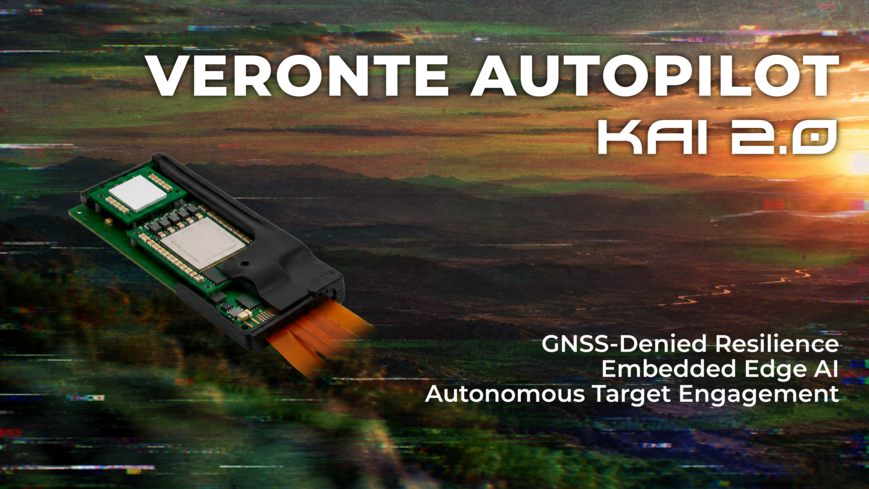
Embention releases upgraded Veronte KAI FCC for One-Way drones at MSPO
Discover Veronte KAI 2.2 with AI-based PNT, terminal guidance and scalable production for one-way drones in contested environments.
October 25, 2019
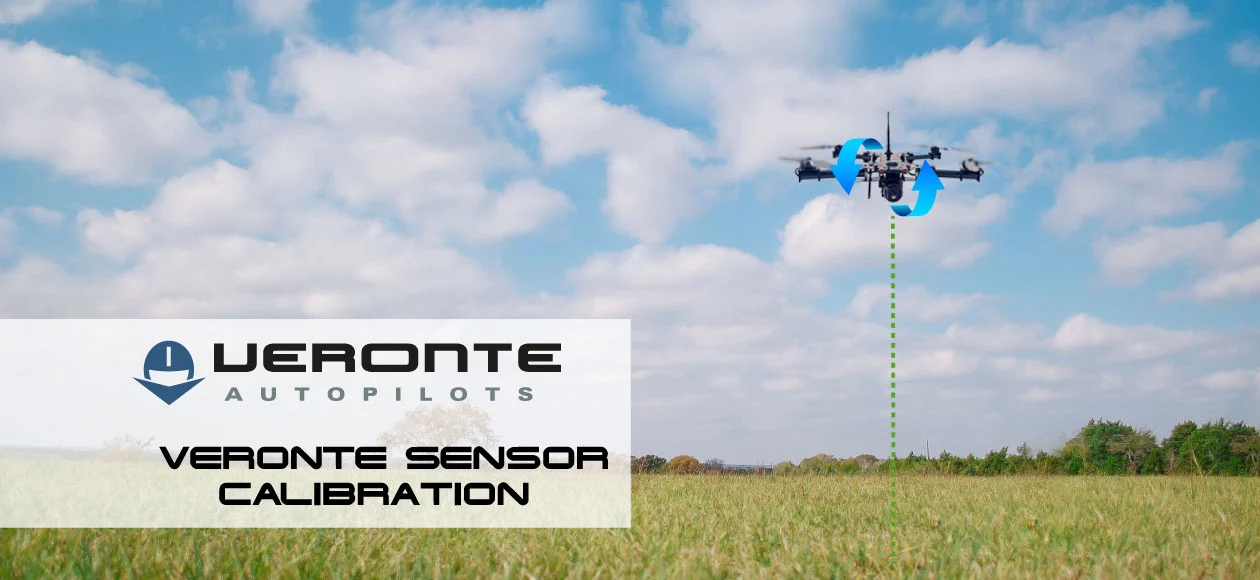
Sensor calibration is an indispensable requirement for ensuring safety, reliability and precision in unmanned aerial vehicles (UAVs). Both, personal and material damages, can be caused due to a poor accuracy in position and attitude estimation so it is something that we cannot afford in the aerospace industry.
For this reason, any unmanned system operating in the air should meet certain safety specifications. In addition, it must comply with the most demanding security requirements defined by the aviation authorities (FAA, EASA, AESA, ENAC, DGAC, LBA, AAC…). The aim of these strict requirements in safety and precision is to prevent unmanned platforms becoming a hazard or cause of damage.
Likewise, individually, each company works to enhance the absence of errors as one of its most precious badges. For this reason in companies like Embention rigid safety, quality and quality standards have been established, to ensure that all of its UAS are fail-safe. In addition, this helps to focus the result on increasing quality control.
One of the most important parts to ensure the proper performance of the UAV and autopilot is sensor calibration. The correct sensor calibration permits to measure the attitude, position, height and speed of the aircraft accurately. Veronte Autopilot installs high precision and reliable sensors. This avoids the need to install sensors external to the autopilot system, being optional. For this reason, removing any error can make the difference between a successful flight or a failed mission.
In Embention we have a rigorous calibration system with high quality and reliable equipment. Our manufacturing process integrates multiple steps in which the calibration of the different sensors is performed to ensure optimal operation:
The magnetometer, that is the most sensitive sensor, is configured under two calibration modalities, Hard iron and Soft iron. In this way, we can balance the magnetic discrepancies which are generated by the existence of metals near to the sensor.
A high precision sensor calibration makes an important difference in Veronte Autopilot’s safety. Because of this, Embention has the equipment and procedures to ensure optimal sensor calibration.

Receive news & updates
Discover Veronte KAI 2.2 with AI-based PNT, terminal guidance and scalable production for one-way drones in contested environments.

The iMEDCAP consortium proudly announces the successful completion of the live pilot demonstration of its autonomous tactical medical evacuation system at NATO’s Vigorous Warrior 2026 exercise.

Learn about USV applications and advantages in marine exploration enhanced by Veronte Autopilot 1x for efficient autonomous control.
