

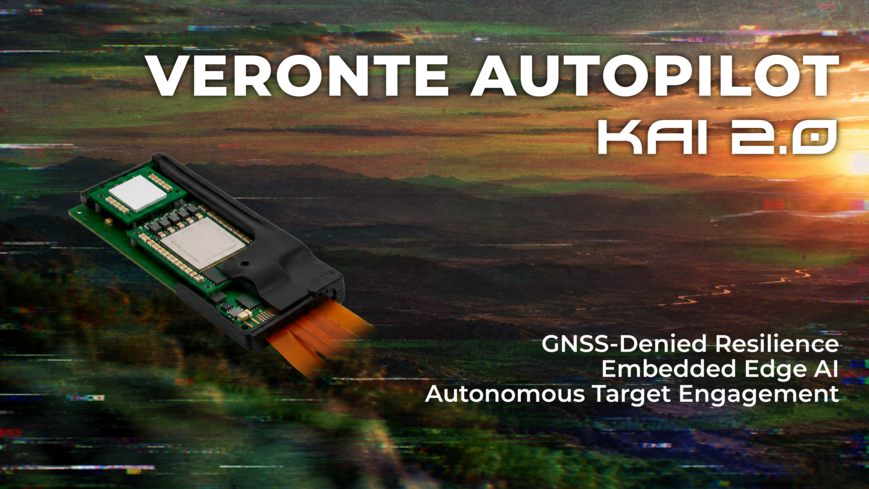
Embention releases upgraded Veronte KAI FCC for One-Way drones at MSPO
Discover Veronte KAI 2.2 with AI-based PNT, terminal guidance and scalable production for one-way drones in contested environments.
November 30, 2018
Altitude and airspeed, the essential elements of flight, are inevitably linked through the laws of energy conservation and movement; they are inseparable. The stored combined energy as the altitude and airspeed constitute the total aircraft’s mechanical energy. In other words, the total mechanical energy of the aircraft is always distributed between altitude (potential energy) and airspeed (kinetic energy).
Altitude and speed are not only inseparable but also interchangeable. Therefore, we can exchange altitude and speed (and vice versa) without changing the total mechanical energy of the aircraft.
A fixed wing vehicle has two main devices to control altitude and airspeed: the throttle and the elevator.
And the question is, which device controls altitude, and which one controls speed? Because of the energy coupling between altitude and airspeed, any attempt to change one variable (e.g., altitude) with a single control (e.g., elevator) always produces a change in the other variable (e.g., airspeed). Therefore, neither the accelerator nor the elevator controls altitude and airspeed independently.
The solution is to effectively change altitude and speed. Veronte Autopilot 1x is able to coordinate the accelerator and the elevator following the principles of energy management. The great advantage of this type of control is the protection against loss of lift.
Once the UAV loss speed has been established, Veronte allows the redistribution of the platform’s energy (with or without an active motor) through the elevator so, from gradually losing or gaining height, the airspeed is always maintained above against loss.
The control does throughout the flight and allows to maintain a stable flight in case of the engine’s stop. That provides the time for the operators to activate the required safety measures in case of emergency. In the event that the height is sufficient, the return home could be successfully completed by keeping the UAV in automatic flight during the entire mission.

Receive news & updates
Discover Veronte KAI 2.2 with AI-based PNT, terminal guidance and scalable production for one-way drones in contested environments.

The iMEDCAP consortium proudly announces the successful completion of the live pilot demonstration of its autonomous tactical medical evacuation system at NATO’s Vigorous Warrior 2026 exercise.

Learn about USV applications and advantages in marine exploration enhanced by Veronte Autopilot 1x for efficient autonomous control.
