UAS and Disaster Management: Monitoring and Response to Natural Catastrophes
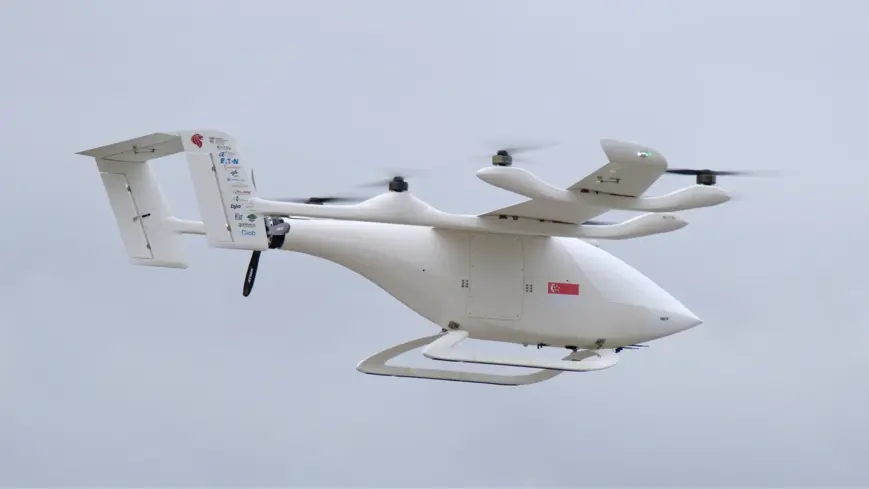
New technologies play a crucial role in emergency management, helping to prevent and reduce damage and save lives. Unmanned Aerial Systems (UAS) have become key tools for real-time monitoring, damage assessment, and rapid response in crisis situations. In this context, autopilot technology developed by Embention, Veronte Autopilots, has stood out for its ability to control drones used in critical operations with precision and high autonomy, improving the efficiency and safety of missions in response to natural disasters.
The Role of UAS in Disaster Management
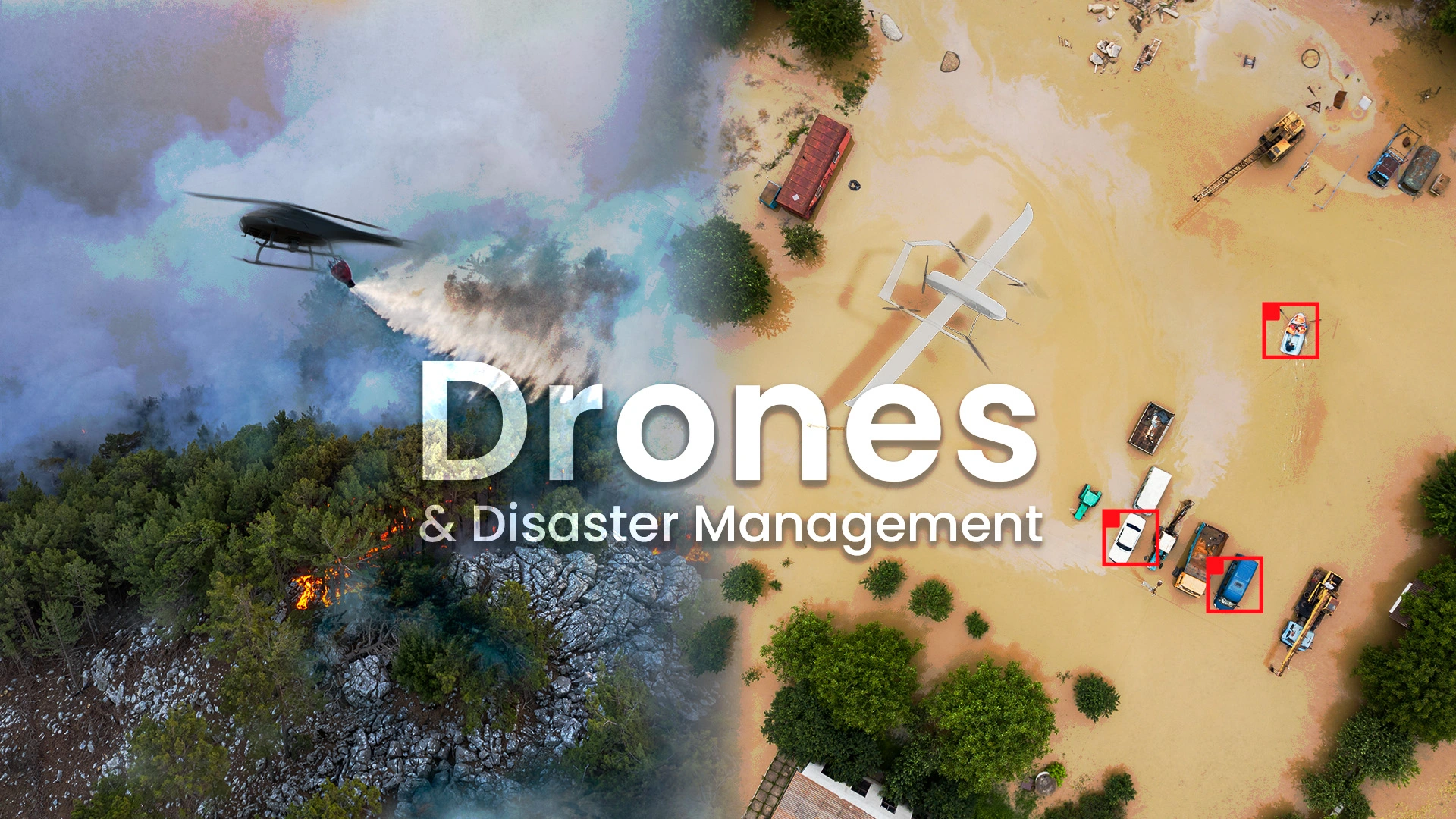
During emergencies such as earthquakes, hurricanes, floods, or volcanic eruptions, immediate access to detailed and updated information is essential for planning response actions. UAS have proven to be especially useful in these scenarios, providing real-time aerial views that allow for:
Monitoring disaster progression: UAS can track the development of a disaster, such as the advance of a flood or the spread of smoke during a volcanic eruption, helping response teams adjust their strategies.
Assessing damage: They offer a quick way to evaluate the most affected areas, identifying damaged infrastructure and zones needing urgent intervention.
Supporting search and rescue operations: In disasters that limit access to certain areas, drones can help locate trapped individuals by providing high-resolution images and thermal data to facilitate rescue efforts.
Delivering emergency supplies: In isolated or hard-to-reach areas, UAS can deliver vital supplies such as water, food, or medicine.
Veronte Autopilots: Precision and Safety in Critical Situations
One of the key aspects of UAS in emergency missions is their ability to fly autonomously and efficiently in complex conditions. This is where Veronte Autopilots plays a fundamental role, providing autonomous, precise, and safe control.
Veronte Autopilots is an advanced control system designed to offer autonomous flight control for all types of missions, including those that require operating in changing and adverse environments, such as natural disasters. Some of the autopilot’s most notable features include:
Advanced autonomy and long-range flights: UAS equipped with Veronte Autopilots technology can fly long distances autonomously, covering large areas affected by disasters and providing critical data to control centers in real-time.
Precise navigation capabilities: In situations where terrain and weather conditions are challenging, the Veronte flight control system ensures precise and stable navigation.
Automated routines: Drones controlled by Veronte systems can be programmed to follow predefined routes, ensuring 100% autonomous control.
Compatibility with peripherals and cameras: Veronte Autopilot is peripheral-agnostic. Its configuration tools allow for connecting any external device, such as gyro-stabilized cameras.
Benefits of Using UAS in Natural Disasters
The use of UAS piloted by advanced control systems brings several key benefits to natural disaster management:
Reduced risk for rescue teams: By using drones in hazardous areas, human teams are less exposed to risky conditions, such as unstable terrain or contaminated areas.
Information gathering: Drones can be deployed quickly and access affected areas within minutes, providing an immediate assessment of the situation to accelerate decision-making.
Flexibility in key operations: Thanks to their ability to operate in a variety of conditions and environments, UAS controlled by flight control systems are versatile and adaptable to different types of disasters.
The Future of Disaster Management with UAS
As natural disasters become more frequent and devastating, the role of UAS in emergency response will continue to grow. Embention is continuously developing autopilot systems and critical avionics that enable autonomous UAS operations, ensuring the precision and safety needed in critical missions. Flight control systems like Veronte Autopilot are at the forefront of this evolution, offering authorities and rescue teams reliable tools to better manage emergency situations.
The future of disaster management involves the increasing integration of technologies such as UAS into response plans, and Embention, with its advanced control systems for UAS and eVTOL, is well-positioned to lead this change, providing innovative solutions that help save lives and reduce the impact of disasters on society.
Subscribe
Receive news & updates
Latest News
Embention Shareholders Letter: Q1 2026 Highlights
The Q3 2026 edition of the Embention Shareholders Letter brings together the company’s latest corporate milestones, progress in autonomous flight technology, and developments across its international partnerships. Highlights include Embention’s transfer to Euronext Growth Paris from Euronext Access Paris and its recognition as an innovative company by Spain’s Ministry of Science and Innovation. In the […]
To provide the best experiences, we use technologies such as cookies to store and/or access device information. Consenting to these technologies will allow us to process data such as browsing behavior or unique IDs on this site. Not consenting, or withdrawing consent, may adversely affect certain features and functions.
Functional Always active
Technical storage or access is strictly necessary for the legitimate purpose of enabling the use of a specific service explicitly requested by the subscriber or user, or for the sole purpose of carrying out the transmission of a communication via an electronic communications network.
Preferencias
Technical storage or access is necessary for the legitimate purpose of storing preferences not requested by the subscriber or user.
Statistics
Technical storage or access that is used exclusively for statistical purposes.Storage or technical access used exclusively for anonymous statistical purposes. Without a request, voluntary compliance by your Internet service provider, or additional records from a third party, information stored or retrieved solely for this purpose cannot be used to identify you.
Marketing
The storage or technical access is necessary to create user profiles to send advertising, or to track the user on a website or multiple websites for similar marketing purposes.