One of the most recent advances in the aeronautical industry is the eVTOL (electric vertical take-off and landing), an aerial vehicle which, in addition to taking off vertically and moving in any direction, has several advantages over traditional vehicles and could have a wide variety of applications in the future. The use of aerial vehicles has become a necessary means to speed up some tasks that would naturally take more time.
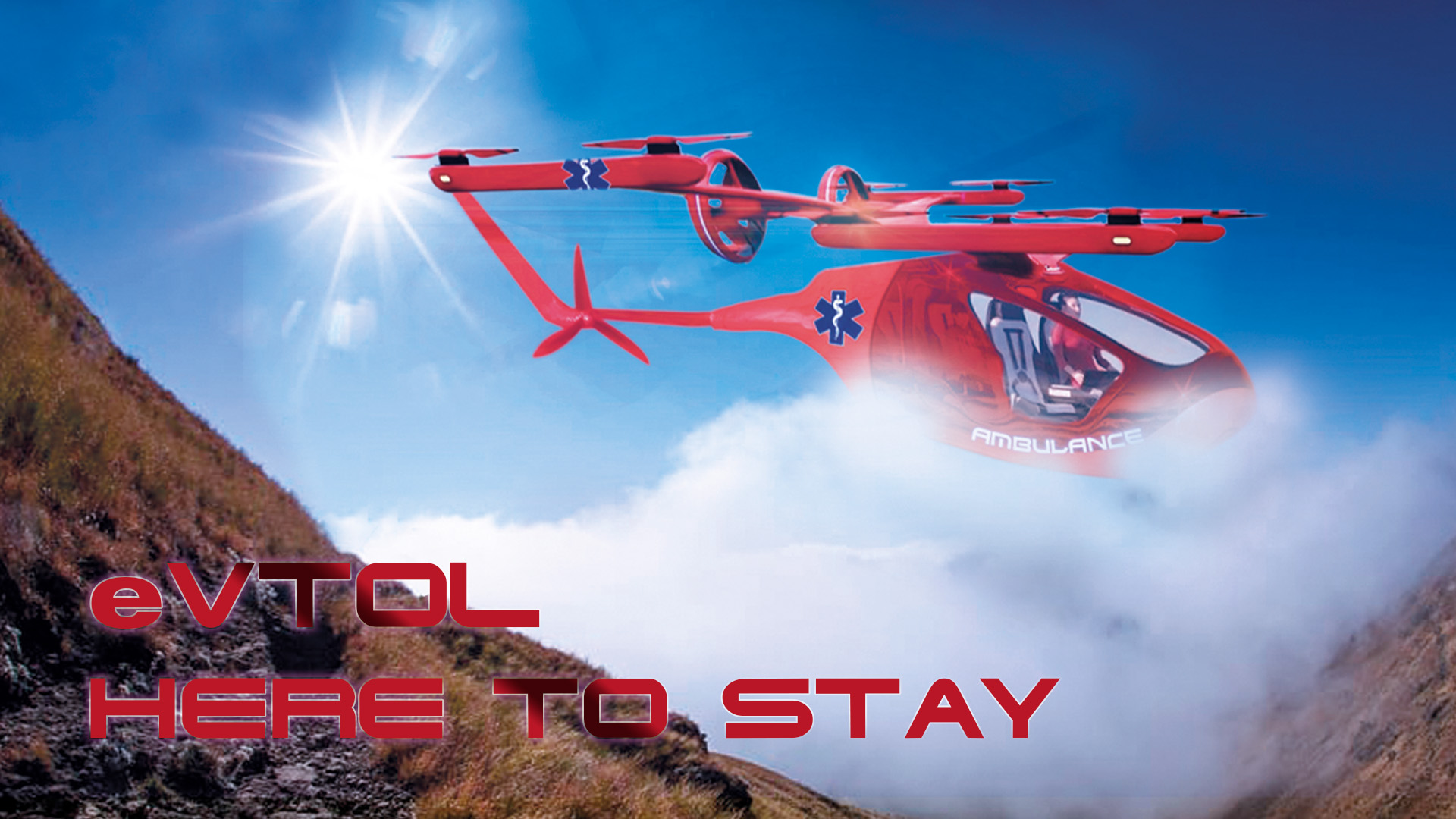
A long time ago, we would never have imagined that air taxis would be able to transport people with considerably reduced travel times, or that an eVTOL could rescue and transport victims of hurricanes, earthquakes or volcanic eruptions to safety. These systems have the facility to reach areas where ground vehicles are ineffective, such as rivers, forests and mountains.
Furthermore, eVTOLs are coming to solve the growing need for new, more sustainable and beneficial vehicles, not only to reduce traffic and pollution levels, but they will also be a disruptor for the existing mobility infrastructure network, as this type of infrastructure is mainly virtual and therefore requires lower cost. In contrast to underground systems, which are physical and have a very costly construction.
With a growing industry developing and investing in electric take-off and landing (eVTOL) aircraft, the term flying taxis is becoming a reality that is far from science fiction. What expectations will travelers have when taxis start flying?
Test flights with eVTOL aircraft are already underway
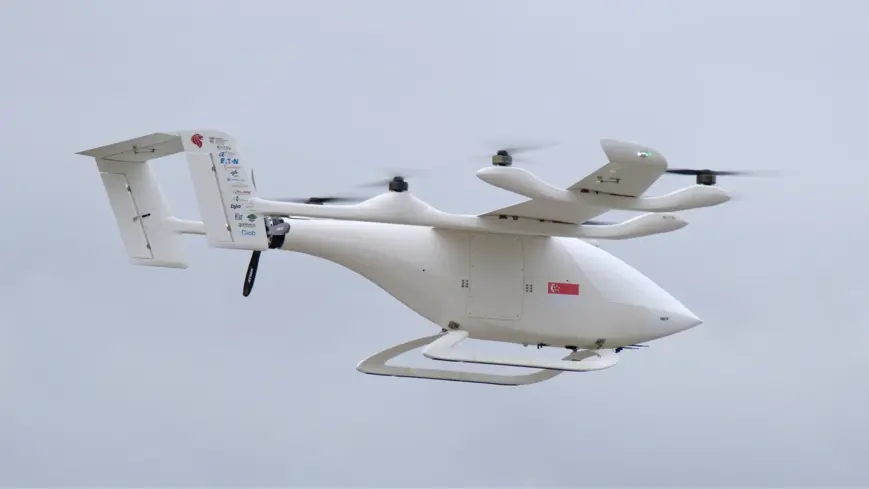
Test flights with eVTOL aircraft are already underway. Flying taxis are expected to become a reality in the near future. Some studies estimate that by around 2040 there will be 430,000 air taxis flying in the sky. EVTOLs are set to open up a wide range of applications, which could include:
Air taxi: This will be one of the main applications of eVTOL. It will allow people to travel faster and avoid congested areas. It will also represent more sustainable mobility.
Visits to tourist areas: eVTOLs will transform the way we conduct sightseeing tours. As well as democratizing the aerial perspective of areas or monuments of interest, they will significantly reduce the carbon footprint that the tourism industry generates. They will give us access to more remote and unexplored areas and allow for the customization of tourist trips never seen before.
Rescue and medical assistance: eVTOLs will be a critical tool for rapid response to emergency situations. In this way, they will be able to assist people in medical emergencies as they will be able to move the necessary equipment in a short space of time. It will also make it possible to reach areas that are difficult to access for rescue or emergency transport in the event of natural disasters or other catastrophes that may occur.
Surveillance: eVTOLs will open up a multitude of uses in the field of surveillance. In this way, their applications can include traffic or border control, among others, facilitating faster responses.
Recreational leasing: As the use of eVTOLs becomes more widespread and gains market share as a means of transport, the possibility of recreational leasing will emerge. The driving experience will be a great attraction for those seeking new experiences by piloting an aircraft
Racing: eVTOLs can provide more recreational solutions such as racing in the eVTOL segment. Competitions where aircraft compete in the sky offering high doses of adrenaline.
Subscribe
Receive news & updates
Latest News
Embention Shareholders Letter: Q3 2026 Highlights
The Q3 2026 edition of the Embention Shareholders Letter brings together the company’s latest corporate milestones, progress in autonomous flight technology, and developments across its international partnerships. Highlights include Embention’s transfer to Euronext Growth Paris from Euronext Access Paris and its recognition as an innovative company by Spain’s Ministry of Science and Innovation. In the […]
To provide the best experiences, we use technologies such as cookies to store and/or access device information. Consenting to these technologies will allow us to process data such as browsing behavior or unique IDs on this site. Not consenting, or withdrawing consent, may adversely affect certain features and functions.
Functional Always active
Technical storage or access is strictly necessary for the legitimate purpose of enabling the use of a specific service explicitly requested by the subscriber or user, or for the sole purpose of carrying out the transmission of a communication via an electronic communications network.
Preferencias
Technical storage or access is necessary for the legitimate purpose of storing preferences not requested by the subscriber or user.
Statistics
Technical storage or access that is used exclusively for statistical purposes.Storage or technical access used exclusively for anonymous statistical purposes. Without a request, voluntary compliance by your Internet service provider, or additional records from a third party, information stored or retrieved solely for this purpose cannot be used to identify you.
Marketing
The storage or technical access is necessary to create user profiles to send advertising, or to track the user on a website or multiple websites for similar marketing purposes.