

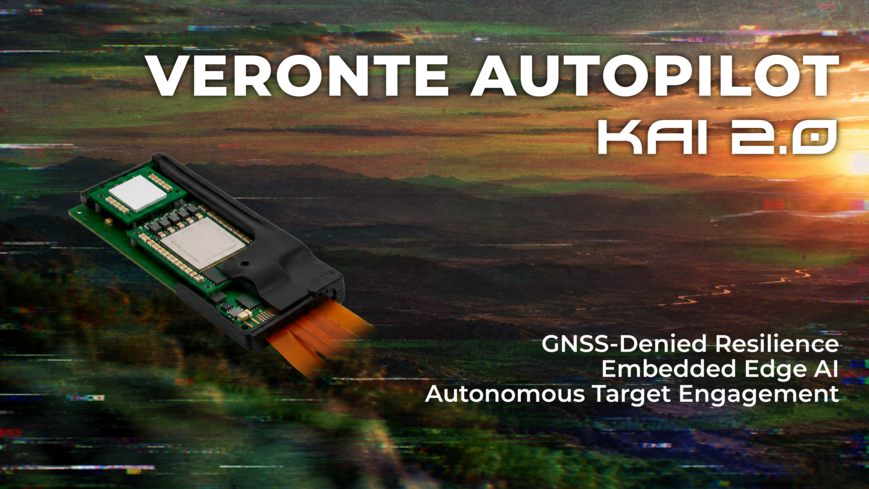
Embention releases upgraded Veronte KAI FCC for One-Way drones at MSPO
Discover Veronte KAI 2.2 with AI-based PNT, terminal guidance and scalable production for one-way drones in contested environments.
February 24, 2023
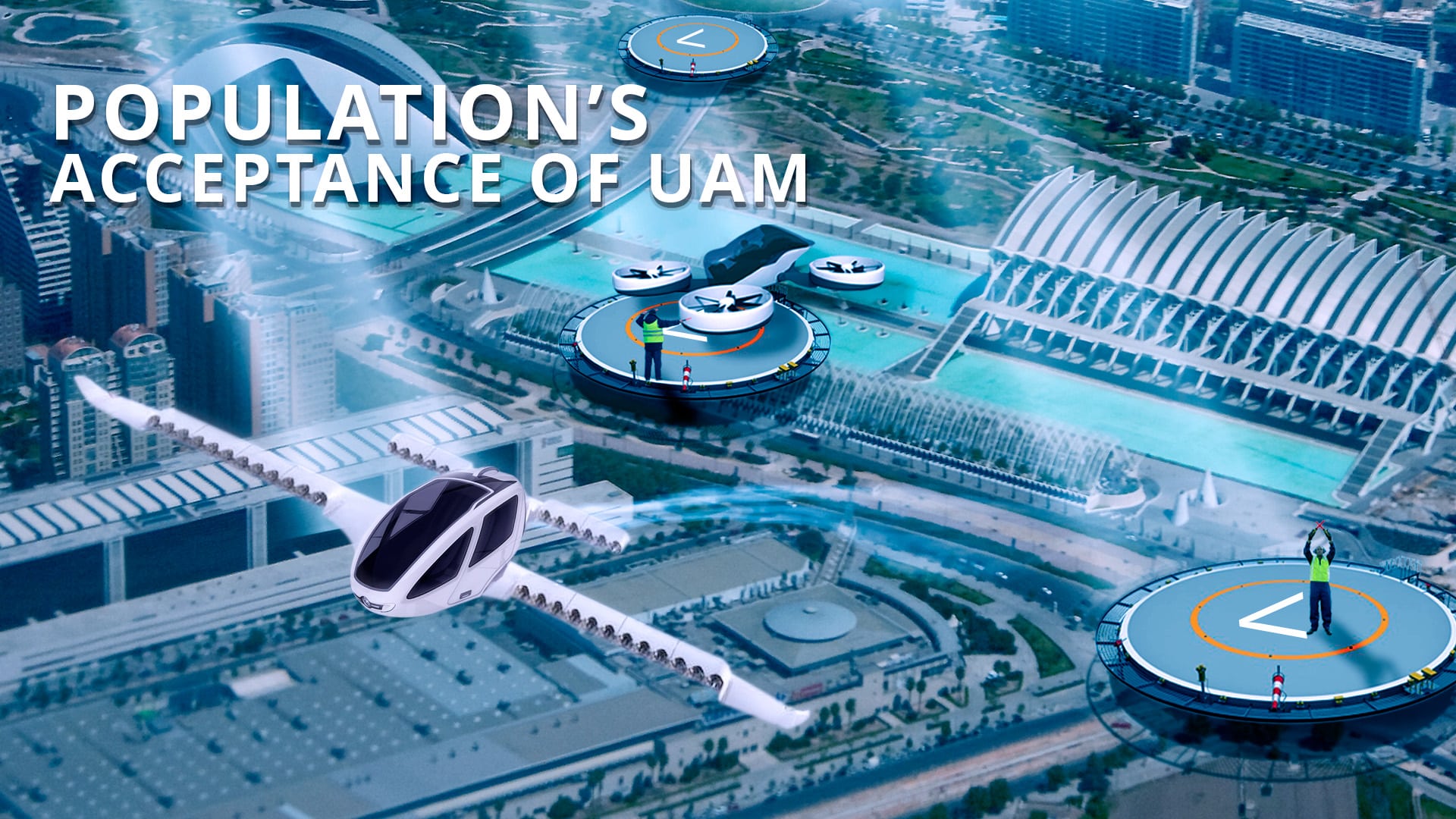
The social acceptance of Urban Air Mobility (UAM) will be critical for its successful implementation in our cities. UAM, understood as the transport system for passengers or goods in urban environments, will modify existing infrastructures and will lead to the creation of new ones, such as vertiports, in order to adapt our urban landscapes to the new transport options.
This social acceptance of Urban Air Mobility and its consequent implementation will bring with it the opportunity to turn our cities into smart and more sustainable cities, allowing to reduce pollution and congestion, especially in large metropolitan areas. But the success of this change of model in mobility will depend on the ability of the UAM industry, governments, regulators and public institutions to generate confidence in citizens and future users of aircraft, placing value on their advantages as opposed to their possible concerns.
The main factors that can influence the social acceptance of Urban Air Mobility are the following:
However, technology and legislation are now advancing to address these and other issues to facilitate the social acceptance of UAM. Thus, global UAM manufacturers and operators are developing increasingly quieter, more accessible and safer aircraft. For its part, Embention, to increase safety, has developed the Veronte Autopilot 4x developed according to aviation standards DO178C / ED-12 and DO254, allowing the certification of UAV, RPAS and eVTOL. In this sense, from Embention we will continue working for drones to populate our skies and contribute to the social acceptance of the UAM to become a reality.

Receive news & updates
Discover Veronte KAI 2.2 with AI-based PNT, terminal guidance and scalable production for one-way drones in contested environments.

The iMEDCAP consortium proudly announces the successful completion of the live pilot demonstration of its autonomous tactical medical evacuation system at NATO’s Vigorous Warrior 2026 exercise.

Learn about USV applications and advantages in marine exploration enhanced by Veronte Autopilot 1x for efficient autonomous control.
