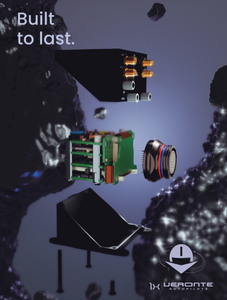


In technology-driven industries, recruiting is never just an administrative process. In sectors such as aerospace, autonomous vehicles, robotics, and advanced electronics, hiring decisions directly influence how organizations build, scale, and deliver complex systems such as avionics platforms, embedded software, electronic hardware, flight control solutions, and mission-critical components.
In safety-critical environments, the importance of recruiting becomes even more evident. Reliability, quality, and performance are essential, and the people joining these organizations do not simply fill roles; they contribute to projects where precision, accountability, and long-term thinking matter from the very beginning.
For HR and recruiting teams, this context creates a specific challenge. It is not enough to publish job openings, review resumes, or coordinate interviews. Recruiting specialized talent requires understanding the nature of the project, what each team needs, which role-specific skills are truly relevant, and what kind of person can grow in a demanding and innovative environment.
This whitepaper presents a practical view of how to approach recruiting in highly specialized sectors. Drawing on experience from technology-driven environments such as Embention, it focuses on principles that can be applied broadly across organizations working with advanced engineering, safety-critical systems, and high-performance technology.
Recruiting in this context means understanding profiles, but also understanding tasks. It requires asking the right questions, learning from engineering and project teams, diving into the real responsibilities behind each role, and translating those needs into clear, human, and effective selection processes.
It also means identifying talent across highly specialized areas such as aerospace engineering, electronics, robotics, mechanical engineering, computer science, software development, systems engineering, and many other disciplines. But beyond knowledge and experience, it means recognizing initiative, humility, commitment, the ability to learn, communication skills, ownership, and genuine motivation to contribute to a meaningful project.
Behind every selection process there is more than an open position. There is a team that needs to keep moving forward, a project that requires excellence, and a person who may find an opportunity to contribute, learn, and grow.